The Classroom Dream: Unlocking Lessons from Your Unconscious
Do you find yourself back in the hallowed halls of learning, surrounded by desks, chalkboards, and the hushed anticipation of knowledge? The classroom, a potent symbol of education and development, often appears in our dreams as a mirror to our inner world, reflecting our current life lessons, our anxieties about learning, and our readiness for growth. This dream is rarely a simple recall of past experiences; it’s a powerful narrative woven by your unconscious mind, an invitation to engage with the wisdom that lies within and to address the challenges you might be facing. Understanding the nuances of a classroom dream can illuminate your path forward, offering clarity and actionable insights into your personal evolution. Whether the atmosphere is one of fear, joy, or neutral observation, the classroom in your dream holds valuable messages waiting to be deciphered. Let’s embark on this journey of discovery together, uncovering the layers of meaning within this archetypal space.
What Does a Classroom Mean in a Dream?
The classroom, in its most fundamental sense, is a space dedicated to learning, instruction, and the acquisition of knowledge. Etymologically, the word ‘classroom’ derives from the Latin ‘clausura’, meaning ‘a closing or shutting up,’ and ‘rum’, denoting a place. This suggests a contained environment designed for focused learning, a space where ideas are imparted and minds are shaped. In dreams, this symbolism is amplified. A classroom can represent any situation in your waking life where you are being taught, tested, or expected to learn something new. This could be formal education, a new job, a challenging relationship dynamic, or even an internal process of self-discovery. The dream classroom is a microcosm of your learning journey, highlighting areas where you are actively engaging with new information or skills, or conversely, where you might be resisting growth or feeling inadequate. It speaks to your capacity for absorbing and integrating new experiences, and often points to unresolved issues or unexplored potential. The specific details of the classroom – its size, condition, the presence of others, and the subject matter – all contribute to a richer interpretation, offering clues about the nature of the lesson you are meant to learn.
Common Dream Scenarios
Scenario 1: You Are a Student in a Familiar Classroom
This is perhaps the most common classroom dream. You find yourself sitting at a desk, often in a school you attended in the past, with a teacher at the front. The emotional tone here is crucial. If you feel anxious, unprepared, or confused, it suggests that you are currently experiencing a situation in your waking life that feels overwhelming or where you fear you lack the necessary knowledge or skills. You might be facing a new responsibility at work, a complex personal issue, or a significant life change that is testing your adaptability. The dream is highlighting your feelings of inadequacy or your struggle to grasp a new concept or navigate a difficult situation. If the feeling is one of comfort or engagement, it signifies that you are embracing a learning opportunity, feeling confident in your ability to absorb new information, and are actively engaged in personal growth. You are in a receptive state, open to new perspectives and ready to integrate them into your life.
Scenario 2: You Are the Teacher in a Classroom
When you dream of being the teacher, it often signifies a shift in your waking life. You may be taking on a leadership role, mentoring someone, or finding yourself in a position where you are expected to impart knowledge or guidance. This dream can also reflect a desire to share your own expertise or wisdom with others. If you feel confident and in control, it suggests you are embracing this role, feeling competent and fulfilled in your ability to teach and influence. However, if you feel unprepared, flustered, or unable to control the class, it points to feelings of imposter syndrome or a fear of not being good enough to guide others. You might be questioning your own knowledge or authority in a particular area of your life. This dream encourages you to acknowledge your own growth and to recognize the valuable lessons you have to offer.
Scenario 3: The Classroom is Empty or Abandoned
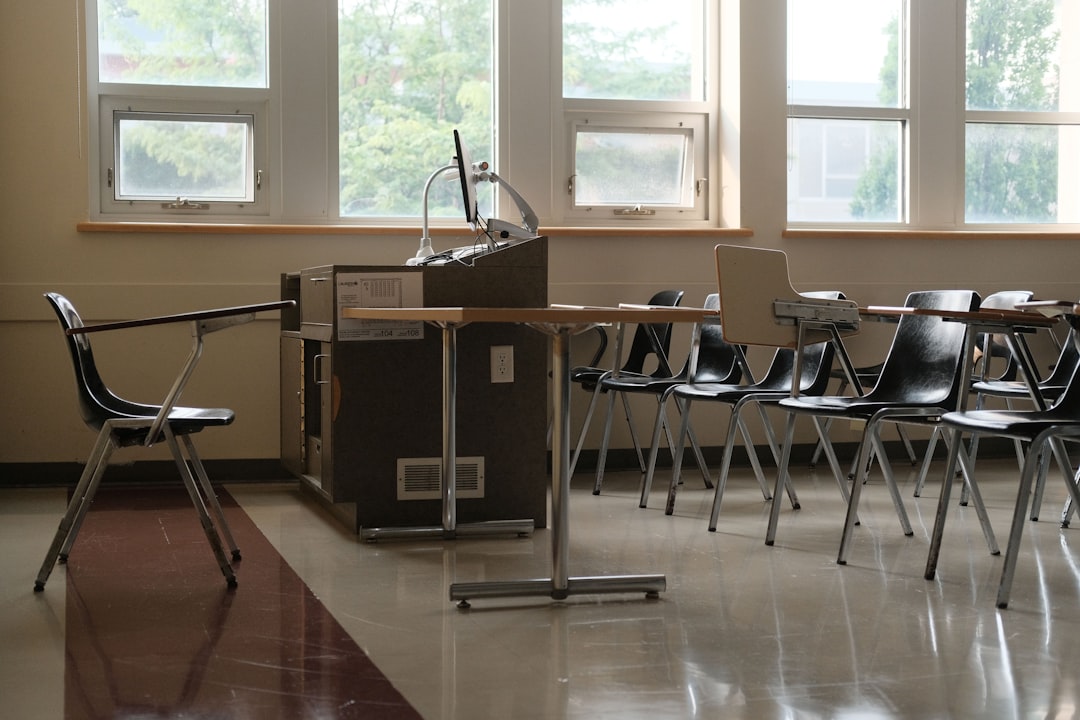
An empty or abandoned classroom in a dream can evoke feelings of loneliness, missed opportunities, or a sense of stagnation. It might suggest that you feel disconnected from a learning process or that you have missed a crucial opportunity for growth. Perhaps you’ve been avoiding a difficult lesson or have a sense of unfulfilled potential. This dream could also symbolize a feeling of being uninspired or a lack of purpose in your current learning endeavors. On a more positive note, it can represent a space of introspection and self-reflection, a quiet period where you are processing past lessons before embarking on new ones. It’s a call to acknowledge what might be missing or what needs to be revisited before moving forward. Are you taking the time to integrate what you’ve learned?
Scenario 4: The Classroom is Chaotic and Disruptive
A dream where the classroom is filled with chaos, noise, and unruly students can reflect a feeling of being overwhelmed and out of control in your waking life. You might be struggling to manage multiple demands, feeling that your environment is too stimulating, or that you are unable to focus on what is important. This dream often highlights internal conflict or external pressures that are making it difficult for you to learn or progress. It can also point to a fear of losing control or a sense of being unable to maintain order in your life. This is a powerful call to identify the sources of disruption and to find ways to bring order and focus back into your life, perhaps by setting boundaries or prioritizing your tasks.
Scenario 5: You Are Receiving a Frightening or Threatening Lesson
If the lesson being taught in your dream classroom is frightening, menacing, or involves a threat, it signifies that you are confronting a deeply held fear or a painful truth in your waking life. This could be a fear of failure, a fear of punishment, or a confrontation with your own shadow self. The dream is forcing you to acknowledge something you have been avoiding. The subject matter of the lesson is often a direct metaphor for the challenge you are facing. For example, a lesson on survival might represent a feeling of being in a precarious situation. This dream, though unsettling, is a crucial step towards healing and integration. It urges you to face your fears head-on, recognizing that by confronting them, you gain strength and liberation.
Scenario 6: The Classroom is a Place of Joy and Discovery
Conversely, a dream classroom filled with joy, excitement, and a sense of wonder signifies that you are enthusiastically embracing a new learning experience or personal growth phase. You are eager to absorb new knowledge, open to new perspectives, and find fulfillment in the process of discovery. This dream is a celebration of your intellectual curiosity and your capacity for growth. It suggests that you are in alignment with your learning path, feeling inspired and motivated. This is a powerful affirmation that you are on the right track, absorbing valuable lessons, and experiencing the joy of self-improvement. It’s a reminder to savor these moments of enlightenment and to continue nurturing your inquisitive spirit.
Spiritual & Numerological Meaning
From a spiritual perspective, the classroom is an archetypal space of initiation and awakening. It represents the soul’s journey through various stages of understanding and consciousness. In many ancient traditions, education was not merely about acquiring facts but about spiritual enlightenment. The number of desks, the number of students, or even the number of letters in the subject being taught can carry numerological significance. For instance, the number ‘3’ often represents synthesis and communication, suggesting a lesson that involves bringing disparate ideas together or sharing knowledge. The number ‘7’ is associated with wisdom, introspection, and spiritual seeking, indicating a profound inner lesson. The ‘Tarot’ also offers rich symbolism. The Magician (I) can represent the teacher or the student mastering their craft. The Hierophant (V) signifies traditional learning, spiritual guidance, and established institutions, mirroring the structured environment of a classroom. The Wheel of Fortune (X) might suggest that the lesson involves embracing change and destiny. Chakra connections can also be drawn. The throat chakra (Vishuddha), associated with communication and self-expression, is highly activated in a learning environment. A vibrant throat chakra in the dream suggests you are effectively processing and expressing what you are learning. Blockages might indicate difficulties in communication or assimilation. Biblical references often highlight wisdom and instruction; think of Solomon’s wisdom or Jesus teaching his disciples. The classroom in your dream is a sacred space where your spirit is being guided towards greater understanding and alignment with your higher purpose.
Psychological Interpretation
From a Western psychological standpoint, the classroom dream is deeply rooted in the concept of the unconscious mind and its desire for integration and growth. Sigmund Freud would likely interpret the classroom as a representation of the superego, the internalized voice of authority and societal norms, dictating what you should know and how you should behave. Anxiety in a classroom dream could stem from repressed desires or guilt associated with not meeting these internalized expectations. Carl Jung’s perspective, however, offers a richer understanding. The classroom is an archetype of collective learning and the process of individuation. The teacher might symbolize the wise old man or woman archetype, guiding the dreamer towards self-knowledge. The students could represent various aspects of the dreamer’s own psyche, including the shadow – those disowned or repressed parts that need to be brought into consciousness. The subject matter being taught is crucial: it often relates to aspects of the anima (for men) or animus (for women) – the inner feminine or masculine that needs to be integrated. Modern dream science views the classroom as a processing space for recent experiences and a rehearsal for future challenges. It’s where the brain consolidates new information, practices skills, and works through anxieties related to learning and social interaction. The dream is a safe sandbox for the psyche to experiment and adapt, preparing you for the complexities of waking life.
Cultural Variations
While the core symbolism of the classroom as a place of learning is universal, cultural nuances can subtly alter its interpretation. In many Eastern cultures, education is deeply interwoven with respect for elders and a hierarchical approach to knowledge. A classroom dream in such a context might emphasize the importance of humility, discipline, and the transmission of ancestral wisdom. The teacher would be seen as a revered figure, and deviations from the prescribed learning path might be viewed with apprehension. In indigenous cultures, learning often occurs through storytelling, direct experience, and connection with nature. A dream classroom in this context might be less structured, perhaps an open clearing in a forest or around a fire, with the ‘lesson’ being about harmony with the environment or community survival. The concept of ‘testing’ in Western education is not always present; instead, the emphasis is on understanding and integration. In cultures with a strong oral tradition, the act of remembering and reciting is paramount, so a dream classroom might focus on the spoken word and the importance of accurate recall. These variations highlight how our cultural upbringing shapes our understanding of learning, authority, and the very purpose of education, all of which can manifest in our dream symbolism.
What To Do After This Dream
This classroom dream is a powerful message from your subconscious, offering an opportunity for significant personal growth. To fully harness its wisdom, engage in the following:
- Journaling Prompts:
- Describe the classroom in vivid detail. What did you see, hear, smell, and feel?
- Who was present in the dream? What was their role?
- What was the subject being taught, or what was the overall atmosphere of learning?
- How did you feel as a student, teacher, or observer? What emotions surfaced?
- What is happening in your waking life that relates to learning, teaching, or being tested?
- Are there any situations where you feel you are not learning enough, or conversely, where you feel you have knowledge to impart?
- What fears or anxieties are being highlighted by this dream?
- What are you currently trying to understand or integrate into your life?
- Action Steps:
- Identify the Lesson: Based on your journaling, what is the core lesson your unconscious is trying to convey? Is it about a specific skill, a personal truth, or a relationship dynamic?
- Embrace Learning: If the dream felt positive and engaging, actively seek out new learning opportunities in your waking life. Read a book, take a course, or engage in a new hobby.
- Confront Resistance: If the dream was fearful or chaotic, acknowledge what you are resisting. Is there a skill you need to acquire, a fear you need to face, or a boundary you need to set? Take small, manageable steps to address this.
- Share Your Wisdom: If you dreamt of being a teacher, consider where you can share your knowledge and experience. Mentor someone, offer advice, or simply be open to helping others.
- Seek Guidance: If the dream involved a wise figure, consider seeking out a mentor or trusted advisor in your waking life.
- Practice Self-Compassion: Remember that learning is a process. Be patient and kind to yourself as you navigate these lessons. The dream is a guide, not a judgment.
By actively engaging with your classroom dream, you unlock the door to profound self-awareness and pave the way for a more enlightened and fulfilling journey ahead.