Dreaming of a Garden: A Sanctuary of the Soul and Self-Discovery
Oh, my dear, have you found yourself wandering through a verdant landscape in your slumber? A garden, in the realm of dreams, is far more than just a patch of earth. It is a potent symbol, a canvas upon which your deepest emotions, aspirations, and even your hidden fears are painted. It is a mirror held up to your inner world, reflecting the state of your soul, your growth, and your connection to the nurturing forces of life. Whether you’re tending to blooming roses, battling stubborn weeds, or lost in an overgrown labyrinth, this dream is a profound invitation to explore the fertile grounds of your being. Understanding its whispers can unlock profound insights, guide you through challenging times, and illuminate the path to a more fulfilled and conscious existence. Let us delve into the rich soil of your subconscious and unearth the secrets your garden dream holds.
What Does a Garden Mean in a Dream?
The word ‘garden’ itself evokes images of cultivation, growth, and beauty. Etymologically, it derives from the Old French ‘gardin’ or ‘jardin,’ which itself is thought to come from a Germanic root meaning ‘to enclose’ or ‘to guard.’ This dual nature – of being enclosed, protected, yet also a space for deliberate cultivation – is central to its symbolic meaning in dreams. A garden is a space that is intentionally created and maintained, a microcosm of order and intention within a larger, wilder natural world. It represents a curated aspect of life, whether that’s your inner emotional landscape, your personal growth, your relationships, or your creative endeavors.
Psychologically, a garden is often seen as a representation of the self, specifically the cultivated aspects of the personality. It’s where you plant the seeds of your desires, nurture your talents, and prune away what no longer serves you. The state of the garden – whether it’s flourishing, neglected, or wild – speaks volumes about your current psychological state. A vibrant, well-tended garden might symbolize a period of personal growth, self-awareness, and emotional well-being. Conversely, a neglected or overgrown garden could indicate that certain aspects of yourself are being ignored, or that you are feeling overwhelmed by the ‘weeds’ of your life – be they anxieties, unresolved issues, or unhealthy habits.
Spiritually, gardens have been sacred spaces across many cultures and traditions for millennia. Think of the Garden of Eden, a symbol of paradise, innocence, and divine connection. They are often seen as places of healing, contemplation, and communion with the divine or the natural order. The act of gardening itself can be a meditative practice, fostering patience, mindfulness, and a deep respect for the cycles of life and death. In dreams, a garden can represent your spiritual journey, the blossoming of your consciousness, or your connection to a larger universal energy. It is a space where the mundane meets the miraculous, where the earth’s bounty is a testament to life’s persistent, beautiful unfolding.
Common Dream Scenarios
1. A Lush, Blooming Garden (Pleasant)
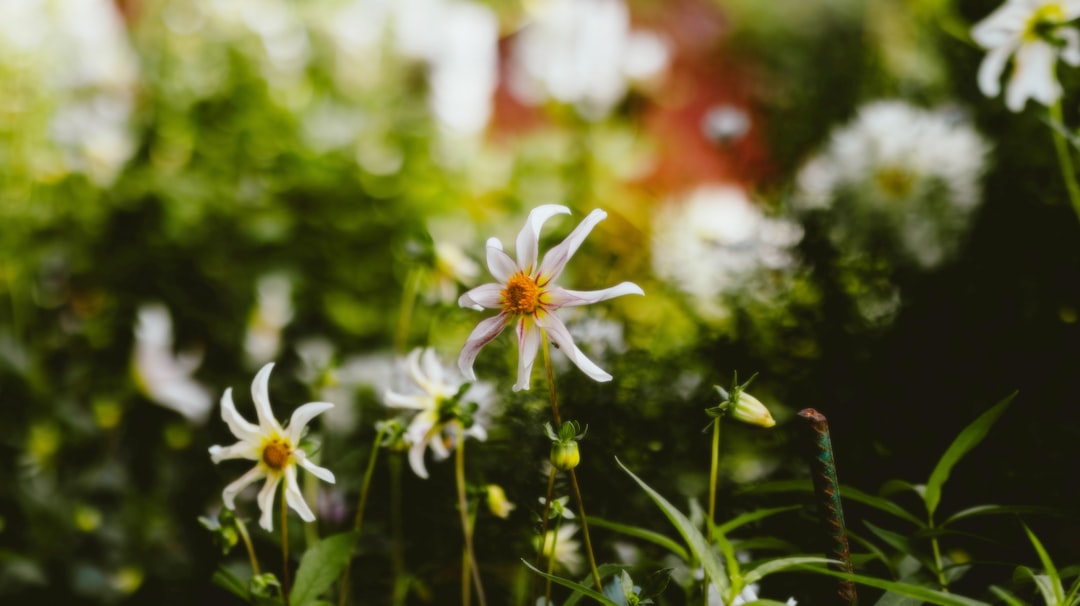
Ah, the joy of a flourishing garden in your dream! This is a dream of pure abundance and vibrant life. Psychologically, it signifies a period of immense personal growth and fulfillment. Your efforts in waking life are bearing fruit, your creativity is flowing, and your relationships are thriving. You are likely feeling confident, optimistic, and deeply connected to your inner self. Spiritually, this symbolizes a blossoming of your consciousness, a state of grace, or a strong connection to the divine feminine energy that nurtures and sustains. Numerologically, a fully bloomed garden might resonate with the number 6, representing harmony, balance, and domestic bliss, or the number 9, signifying completion and universal love. From a practical standpoint, this dream encourages you to savor this period, to continue nurturing what you’ve cultivated, and to share your abundance with others. It’s a sign that you are on the right path, living in alignment with your highest self.
2. An Overgrown, Wild Garden (Neutral to Fearful)
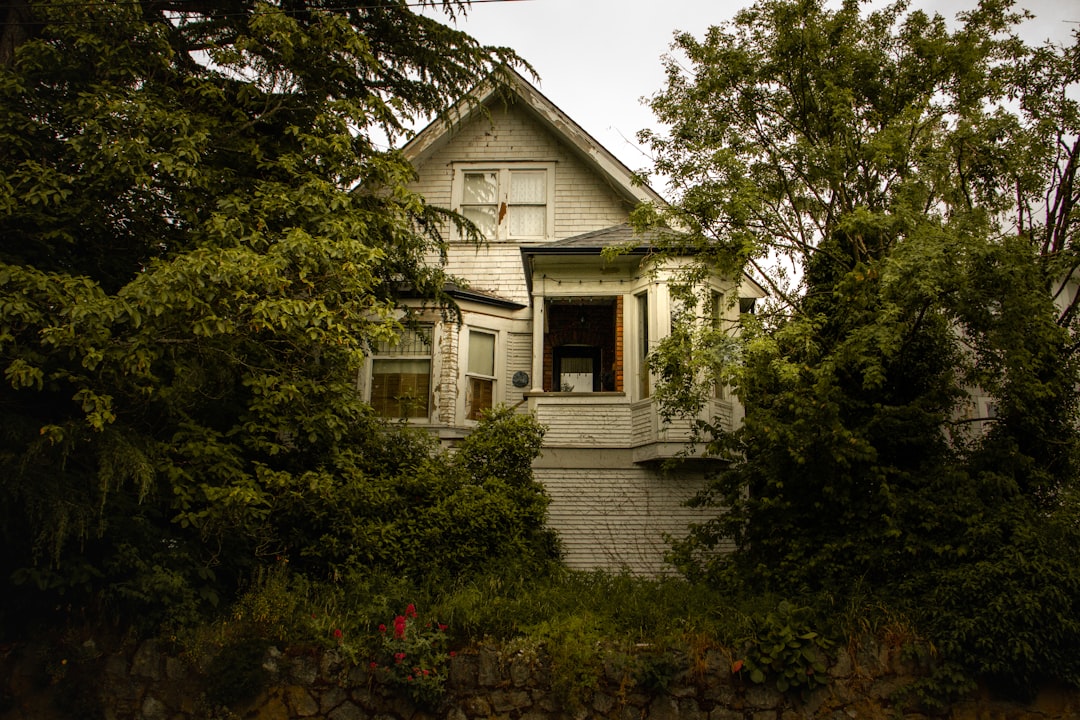
When the garden in your dream is choked with weeds, tangled vines, and untamed growth, it speaks to a sense of being overwhelmed or a feeling that parts of your life have been neglected. Psychologically, this can represent unmet needs, suppressed emotions, or areas of your personality that you’ve allowed to fall by the wayside. It might also signify feeling lost or disoriented, as if you can’t see the path forward. Spiritually, an overgrown garden can suggest that your spiritual connection has become tangled or obscured, perhaps by distractions or a lack of focused intention. The weeds could symbolize negative thought patterns or attachments that are hindering your spiritual progress. Numerologically, the chaos might be associated with the number 7, representing introspection and sometimes isolation, or a lack of defined structure that a more ordered number would bring. Practically, this dream is a wake-up call. It’s an invitation to return to yourself, to identify the ‘weeds’ in your life and begin the process of clearing them. It requires patience and dedicated effort, but the potential for renewal is immense.
3. A Barren or Dead Garden (Fearful)
This is a dream that can stir a deep sense of unease. A barren garden, devoid of life, often symbolizes a feeling of emotional emptiness, a lack of inspiration, or a sense of stagnation. Psychologically, it can reflect a period of depression, burnout, or a feeling that your efforts are futile. You might be experiencing a loss of hope or a disconnect from your own vitality. Spiritually, a dead garden can indicate a spiritual crisis, a feeling of being disconnected from your divine source, or a sense of spiritual barrenness. It might suggest that your spiritual practices have become stagnant or that you are neglecting your inner spiritual nourishment. The biblical reference to barren lands often signifies punishment or a lack of divine favor, which can manifest as a deep feeling of despair in this dream. Numerologically, this could be linked to the number 0, representing emptiness or a void, or a disrupted cycle that needs to be re-established. On a practical level, this dream is a stark warning. It urges you to address feelings of despair and hopelessness directly. Seek support, re-evaluate your life choices, and actively seek out sources of renewal and inspiration, even if it feels incredibly difficult.
4. Planting Seeds in a Garden (Neutral to Pleasant)
The act of planting seeds is a powerful symbol of hope, intention, and future growth. In your dream garden, this signifies that you are actively engaged in the process of creating your future. Psychologically, it indicates that you are setting intentions, making plans, and investing your energy into something new. It’s a sign of optimism and a belief in the potential for future success and happiness. Spiritually, planting seeds can represent sowing intentions for your spiritual growth, embarking on a new spiritual path, or planting the seeds of positive change in the world. It is an act of faith in the unfolding of life. Numerologically, the number 1 is strongly associated with new beginnings and creation, making this a powerful ‘1’ energy dream. Practically, this dream encourages you to be clear about your intentions, to nurture the seeds you plant with consistent effort, and to have faith in the process. Your actions now are laying the foundation for future abundance.
5. Tending to a Vegetable Garden (Neutral to Pleasant)
A vegetable garden in a dream focuses on sustenance, nourishment, and practical results. Psychologically, this dream suggests that you are focused on providing for yourself and your loved ones, both materially and emotionally. You are likely engaged in work or activities that yield tangible rewards and contribute to your well-being. It signifies a grounded approach to life and a focus on practical needs being met. Spiritually, it can represent the ‘fruits’ of your spiritual labor – the wisdom, peace, and inner strength you have cultivated. It’s about the practical application of spiritual principles in your daily life. The biblical imagery of the ‘bread of life’ and ‘harvest’ connects to this theme of sustenance. Numerologically, this might resonate with the number 4, representing stability, structure, and groundedness, or the number 3, symbolizing growth and manifestation. Practically, this dream encourages you to continue tending to your practical needs and to recognize the value of your tangible accomplishments.
6. A Secret Garden (Pleasant to Fearful)
Discovering a secret garden in your dream, or finding yourself within one, is a deeply personal and often magical experience. Psychologically, a secret garden can represent hidden aspects of yourself – your untapped potential, your private desires, or aspects of your personality that you keep guarded. It can also symbolize a cherished inner sanctuary, a place of peace and introspection that you retreat to. If the garden feels enchanting and welcoming, it suggests you are beginning to explore and embrace these hidden parts of yourself. If it feels eerie or inaccessible, it might point to parts of yourself that you are afraid to acknowledge or that are locked away due to past trauma. Spiritually, it can represent a hidden spiritual truth or a deeper, more intimate connection to the divine that you are discovering. It is a place of personal revelation. Numerologically, this could be linked to the number 11, a master number often associated with intuition and spiritual awakening, or the number 2, representing partnership and duality (perhaps the conscious and unconscious self). Practically, this dream invites you to explore your inner world with curiosity and courage. What hidden gifts or desires are waiting to be discovered and nurtured?
Spiritual & Numerological Meaning
The garden, across numerous spiritual traditions, is a profound symbol of creation, nurturing, and the divine feminine principle. In many creation myths, the first humans are placed in a garden, a paradisiacal space that represents humanity’s initial connection to the divine and the natural world. The Garden of Eden, as mentioned, is a potent archetype of innocence, purity, and an unblemished state of being. Its loss signifies the fall from grace, the awakening of consciousness, and the subsequent journey of humanity to reclaim that lost paradise within themselves.
The act of tending a garden is a spiritual practice in itself, aligning us with the cycles of nature – birth, growth, decay, and rebirth. It teaches patience, surrender, and the understanding that true growth often happens unseen beneath the surface. In many Eastern philosophies, such as Buddhism, the mind is often likened to a garden, which can be cultivated to grow positive qualities (like compassion and wisdom) or become overgrown with negative states (like greed and anger). The Buddha’s enlightenment, for instance, is often depicted under a Bodhi tree, a symbol of spiritual growth and awakening within a natural setting.
In Tarot, the garden is implicitly present in many cards. The Empress (Card III) embodies nurturing, fertility, and abundance, often depicted in lush natural surroundings. The World (Card XXI) signifies completion and integration, often shown with a wreath of flowers, suggesting a harmonious culmination of growth. Even the Fool’s journey begins with a sense of innocent exploration, akin to entering a new, fertile ground.
Numerologically, the garden’s essence can be linked to several numbers. The number 3 represents growth, creativity, and expansion – the very essence of a blooming garden. The number 6 embodies harmony, balance, and nurturing, reflecting the care and attention required to maintain a beautiful garden. The number 9 signifies completion, universal love, and the culmination of cycles, much like a bountiful harvest. The number 4, with its emphasis on grounding and stability, is crucial for the foundation of any garden, representing the earth itself. The symbolism is rich and multifaceted, always pointing back to the sacred space within us where life is cultivated and nurtured.
Psychological Interpretation
From a Freudian perspective, a garden can represent the unconscious mind, a hidden realm where repressed desires and primal instincts reside. The act of gardening might symbolize the ego’s attempt to control or organize these instinctual drives, channeling them into socially acceptable forms of expression. The plants themselves could represent these desires, with flowers symbolizing more acceptable or beautiful manifestations, while weeds or thorny bushes might represent darker, more threatening impulses or anxieties that the dreamer is trying to suppress. The state of the garden – whether it’s ordered or chaotic – reflects the dreamer’s success or failure in managing these unconscious forces.
Carl Jung’s interpretation offers a richer, more archetypal understanding. A garden is a powerful symbol of the Self, the totality of the psyche. It is a space where the conscious and unconscious meet, a place of potential individuation. The act of cultivating a garden reflects the process of individuation itself – the integration of the conscious personality with the unconscious aspects of the psyche, including the shadow and the anima/animus. The shadow, in this context, could be represented by the weeds and pests that threaten the garden, symbolizing the dark, unacknowledged parts of ourselves. The anima (in men) or animus (in women) might be represented by the idealized beauty or hidden depths of the garden, symbolizing the contrasexual archetype within. A well-tended garden signifies a healthy integration of these aspects, while a neglected one points to an imbalance or a failure to confront the shadow.
Modern dream science views the garden as a manifestation of cognitive processes related to growth, development, and emotional regulation. The brain’s limbic system, responsible for emotions, can translate feelings of nurturing, creativity, or neglect into the imagery of a garden. The prefrontal cortex, involved in planning and intention, might be represented by the act of planting or designing the garden. The dream might also be a form of emotional processing, allowing the dreamer to metaphorically ‘tend’ to their emotional garden, addressing issues of well-being, stress, and personal development in a safe, symbolic space. The vividness and emotional tone of the dream are key indicators of the underlying psychological state.
Cultural Variations
Across the globe, gardens hold a special place in human culture, and their dream symbolism, while often universal, can carry distinct cultural nuances.
In many Western cultures, drawing from the Judeo-Christian tradition, the Garden of Eden remains a powerful archetype. Dreams of gardens can evoke themes of paradise lost and sought, innocence, and the temptation of knowledge. The English cottage garden, with its emphasis on natural beauty and abundance, might translate into dreams of comfort, domesticity, and personal sanctuary.
In Japanese culture, the meticulously designed Zen garden is a profound symbol of meditation, tranquility, and the pursuit of enlightenment. Dreams featuring such gardens often reflect a desire for inner peace, mindfulness, and a deep connection to nature and the universe. The emphasis is on balance, harmony, and the contemplation of emptiness.
In Islamic tradition, paradise (Jannah) is frequently described as a lush garden, filled with flowing rivers, fruits, and eternal beauty. Dreams of gardens in this context can symbolize spiritual aspirations, divine blessings, and the ultimate reward of a righteous life. They are seen as glimpses of the eternal home.
In many indigenous cultures, the land itself is considered a sacred garden, a source of life and sustenance. Dreams of gardens might therefore be deeply connected to ancestral lands, the preservation of nature, and a sense of belonging to the earth. The focus is on reciprocity and living in balance with the natural world.
In ancient Greek mythology, the Garden of the Hesperides, guarded by a dragon, was a place of mythical apples of immortality. This can translate into dreams representing a quest for something precious, the overcoming of obstacles to achieve a significant goal, or the exploration of forbidden knowledge.
These variations highlight how our cultural understanding and spiritual beliefs shape the way we perceive and interpret the symbolic language of dreams. Regardless of the specific cultural lens, the garden consistently emerges as a powerful metaphor for life, growth, and the inner landscape of the human soul.
What To Do After This Dream
My dear, after such a potent dream of a garden, it’s essential to bring its wisdom into your waking life. Here are some steps and journaling prompts to help you:
- Journal Prompt 1: Describe your garden in vivid detail. What did it look, smell, and feel like? What was its overall condition? (e.g., “The garden was a riot of color, with roses in full bloom and the scent of jasmine heavy in the air.” or “The garden was choked with weeds, and the ground felt dry and cracked.”). This helps to solidify the imagery and your emotional response to it.
- Action Step: Assess your ‘inner garden.’ Based on your dream, how would you describe the state of your personal life, your emotional well-being, your relationships, and your spiritual practice? Are things flourishing, neglected, or chaotic? Be honest with yourself.
- Journal Prompt 2: What were you doing in the garden? Were you planting, weeding, admiring, or lost? What actions did you take, or what was happening around you? (e.g., “I was carefully planting tiny seeds of basil.” or “I was desperately trying to pull out thick vines, but they kept growing back.”). This reveals your active role or passive experience within the dream’s symbolism.
- Action Step: Identify the ‘weeds’ or ‘blooms.’ If your garden was overgrown, what specific anxieties, unhealthy habits, or unresolved issues are the ‘weeds’ in your life? If it was blooming, what aspects are truly flourishing and deserve your attention and gratitude?
- Journal Prompt 3: Who or what else was in the garden? Were there other people, animals, or even inanimate objects that played a role? What was your interaction with them? (e.g., “My grandmother was there, showing me how to prune the roses.” or “A dark shadow lurked behind the overgrown bushes.”). This can reveal the influence of others or aspects of yourself that are personified.
- Action Step: Set an intention for cultivation. If your dream garden was neglected or barren, commit to one small action this week that will begin to ‘tend’ to it. This could be a few minutes of meditation, reaching out to a friend, starting a new healthy habit, or dedicating time to a neglected hobby. If your garden was flourishing, set an intention to share its bounty – offer help to someone, express gratitude, or celebrate your successes.
- Journal Prompt 4: What emotions did you feel in the garden? Were you joyful, anxious, peaceful, or overwhelmed? Explore the nuances of these feelings.
- Action Step: Connect with nature. If possible, spend time in a real garden, park, or natural setting. Allow yourself to feel the grounding energy of the earth and observe the cycles of growth and decay. This can be a powerful way to integrate the dream’s message.
- Journal Prompt 5: What message do you feel this dream is trying to convey to you right now? What is the core takeaway?
Remember, my dear, your dreams are a precious gift from your subconscious. By exploring their depths with curiosity and compassion, you can cultivate a richer, more meaningful life. Blessings on your journey!