The King in Your Dreams: Unveiling Power, Authority, and Your Inner Sovereign
Dreams are the whispering gallery of the soul, and when a king appears, he commands our attention. This potent archetype rarely visits without a significant message, tapping into our innate understanding of power, leadership, and ultimate authority. Whether he is a benevolent ruler bestowing blessings, a tyrannical figure instilling fear, or a distant observer, the king in your dream is a mirror reflecting your relationship with power – both external and, more importantly, internal. He speaks of your aspirations for control, your fears of subjugation, and your potential to embody your own sovereignty. Ignoring such a powerful presence would be akin to overlooking a royal decree; let us delve into the rich tapestry of meaning woven by the king’s presence in your dreamscape.
What Does a King Mean in a Dream?
The word “king” itself evokes images of ultimate power, dominion, and undisputed authority. Etymologically, “king” likely derives from an Indo-European root meaning “to be able,” “to have power,” or “to be mighty.” This inherent connection to capability and strength is foundational to its symbolic meaning. In dreams, the king often represents the supreme authority within a given structure, be it a nation, a family, or, in a profound psychological sense, your own psyche. He embodies the conscious, rational, and directive aspects of the self. He can symbolize a desire for order, control, and accomplishment, or conversely, a fear of being controlled or a struggle with an overwhelming external authority. In spiritual contexts, he can represent divine authority, a guiding principle, or the attainment of spiritual mastery. The king is not merely a figure of power; he is the embodiment of the principle of leadership, the architect of order, and the ultimate arbiter of justice within his domain. His presence in your dream is a direct commentary on how you perceive and wield power in your waking life, and how you navigate the hierarchies and responsibilities that shape your existence. He can be a projection of your own ambitions, a symbol of a powerful figure in your life, or a representation of the primal urge to lead and be recognized. Understanding the nuances of his appearance is key to unlocking the profound insights he offers.
Common Dream Scenarios
1. Meeting a Benevolent King
Emotional Context: Pleasant, hopeful, empowering, secure.
When you encounter a kind, just, and benevolent king in your dream, it’s a deeply positive omen. This scenario suggests that you are in a phase of your life where you feel supported, recognized, and perhaps even blessed. Psychologically, this king can represent your own developing inner strength, your capacity for wise decision-making, and a harmonious integration of your powerful, authoritative aspects. He may be a manifestation of your own burgeoning self-confidence and a recognition of your ability to lead and influence positively. Spiritually, he could symbolize divine favor, guidance from a higher power, or the attainment of a state of inner peace and mastery. You are likely feeling a sense of purpose and alignment, where your actions are in harmony with your values. This dream encourages you to embrace your inherent leadership qualities and to trust in your ability to create positive change. It’s a sign that you are on the right path, receiving the “royal approval” from your inner self or from the universe itself. This is a time to act with courage and conviction, knowing that you have the inner resources to succeed.
2. Confronting a Tyrannical King
Emotional Context: Fearful, anxious, oppressed, powerless.
A tyrannical, cruel, or oppressive king in your dream is a stark warning. This figure often represents an overwhelming external authority that you feel is stifling your growth or infringing upon your freedom. This could be a demanding boss, an overbearing parent, a controlling relationship, or even societal pressures that feel suffocating. Psychologically, this dream may highlight your feelings of powerlessness, your repressed anger towards authority figures, or a part of yourself that is being overly critical or self-punishing. You might be experiencing a conflict between your desire for autonomy and the demands placed upon you. Spiritually, this could signify a period of spiritual testing, where you are challenged to stand firm in your beliefs and to resist forces that seek to diminish your spirit. The dream is urging you to acknowledge these feelings of oppression and to find ways to reclaim your personal power. It’s a call to set boundaries, to assert your independence, and to find your voice against perceived injustice. Consider where in your waking life you feel “ruled” against your will and explore strategies for liberation.
3. Being Crowned King or Queen
Emotional Context: Exhilarating, empowering, responsible, ambitious.
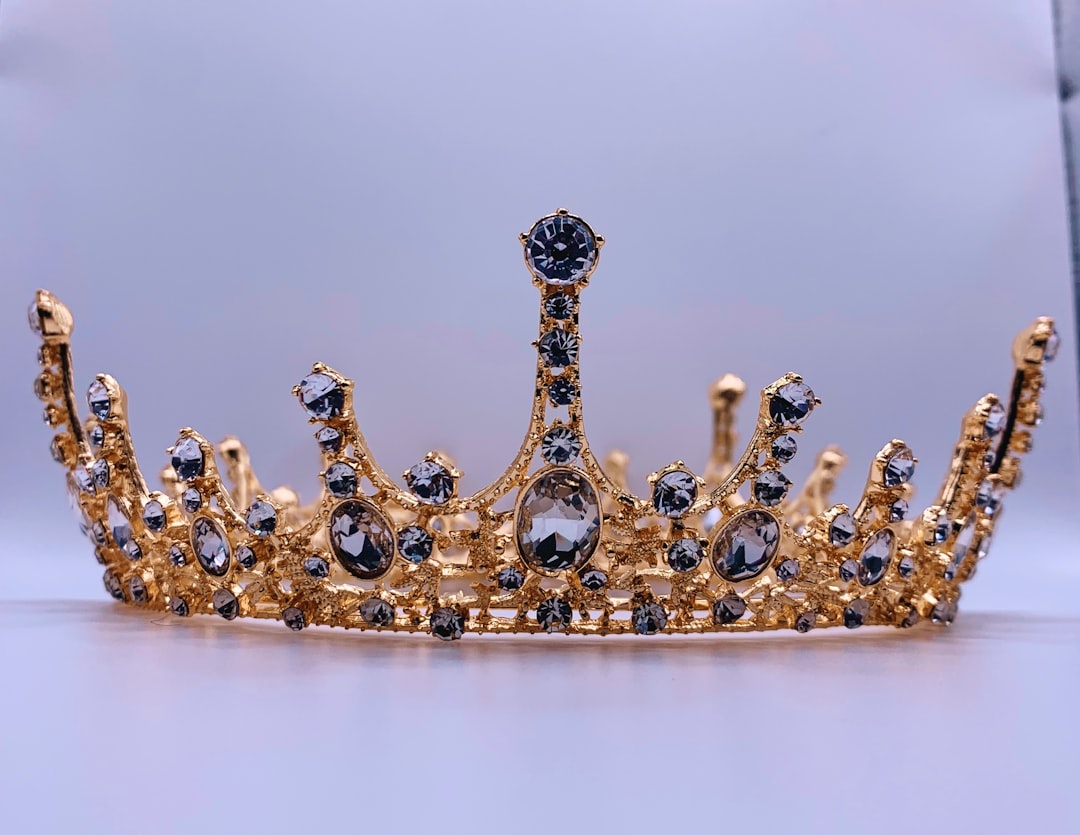
To be crowned king or queen in your dream is a powerful symbol of ascendance and recognition. This dream signifies that you are ready to embrace a leadership role, to take on greater responsibility, or to achieve a significant personal accomplishment. Psychologically, it points to the integration of your authoritative self – your conscious ego is stepping into its rightful place of leadership within your psyche. You are likely feeling a surge of ambition, a desire to be in control of your destiny, and a recognition of your own inherent capabilities. Spiritually, this can represent spiritual awakening, the attainment of a higher level of consciousness, or the realization of your divine potential. You are being called to step into your full power and to lead with wisdom and integrity. This dream is a powerful affirmation of your potential and a call to action. It suggests that opportunities for leadership and influence are on the horizon, and you are well-equipped to seize them. Embrace this feeling of empowerment and prepare to step into your role.
4. The King is Absent or Dead
Emotional Context: Uncertain, lost, seeking direction, void.
The absence or death of a king in your dream can signify a crisis of authority or a feeling of disorientation. This might represent a loss of guidance, a breakdown of order in your life, or a feeling that a core principle or structure has collapsed. Psychologically, it could reflect a disconnect from your own inner authority or a fear of taking on leadership responsibilities. You might be feeling adrift without a clear direction or a guiding principle. Spiritually, this could indicate a period of spiritual questioning, where established beliefs or practices are no longer providing the same sense of comfort or direction. It might be a call to re-evaluate your core values and to find new sources of guidance. The dream suggests that you need to find or re-establish your own inner leadership. This is an opportunity to discover your own inner compass and to build a new sense of order and authority from within. It encourages introspection and the search for new sources of meaning and guidance.
5. Arguing with the King
Emotional Context: Frustrated, defiant, seeking justice, conflict.
An argument with a king in your dream points to a conflict with authority, either external or internal. You may be feeling that your rights are being violated, that your voice is not being heard, or that an unjust decision has been made. Psychologically, this dream highlights your rebellious spirit and your struggle against perceived limitations or unfairness. It could also represent an internal conflict between different aspects of yourself, where one part is demanding control while another is resisting it. Spiritually, this may signify a challenge to established doctrines or a personal quest for truth that deviates from conventional paths. The dream encourages you to stand up for yourself, to assert your boundaries, and to fight for what you believe is right. It’s a call to address imbalances and to seek resolution through clear communication and assertive action. Consider where in your life you feel you need to “make your case” or to challenge an unfair system.
6. Serving the King
Emotional Context: Dutiful, loyal, obedient, potentially resentful or proud.
Serving a king in your dream can have varied interpretations depending on your feelings. If you feel proud and dedicated, it suggests loyalty to a cause, a leader, or a set of principles that you deeply believe in. Psychologically, it can indicate a healthy respect for authority and a willingness to contribute to a larger purpose. However, if you feel resentful or coerced, it signifies that you are feeling exploited or that you are sacrificing your own needs for the sake of others or an authority figure. Spiritually, it might represent devotion to a spiritual path or a commitment to serving a higher calling. This dream invites you to examine your sense of duty and loyalty. Are you serving willingly and with purpose, or are you feeling obligated and undervalued? It’s a chance to assess your commitments and to ensure they align with your own well-being and aspirations. If the service is positive, embrace the sense of contribution; if negative, consider how to rebalance your efforts.
Spiritual & Numerological Meaning
From a spiritual perspective, the king is a powerful archetype representing the divine masculine principle, order, structure, and the highest form of worldly authority. In many mythologies, the king is a direct representative of the gods on Earth, responsible for maintaining cosmic balance and justice. The number associated with the king can vary, but often relates to numbers of leadership and completion. For instance, the number 1 signifies new beginnings and leadership, aligning with the king’s role in establishing dominion. The number 4, representing stability and structure, can also be linked, as kings are the pillars of their kingdoms. In Tarot, the Emperor card (often associated with kingship) is the fourth card of the Major Arcana, embodying paternal power, structure, and authority. The King of Wands can represent a charismatic leader, the King of Cups a nurturing ruler, the King of Swords an intellectual authority, and the King of Pentacles a provider and builder. The king’s presence can also connect to specific chakras. The Solar Plexus Chakra (Manipura), located in the abdomen, is the seat of personal power, will, and self-esteem, all attributes of a king. When the king appears in dreams, it may indicate an activation or a need to balance this chakra. Biblically, kings like David or Solomon represent ideal leadership, wisdom, and divine favor, while others like Saul or Nebuchadnezzar can symbolize pride, corruption, or divine judgment. The king therefore acts as a spiritual conduit, reflecting our connection to higher principles of order, justice, and the embodiment of our own inner divine authority.
Psychological Interpretation
From a Freudian perspective, the king in a dream often symbolizes the “superego” – the internalized societal and parental authority that dictates our moral code and behavior. He can represent repressed desires for control or, conversely, the guilt and anxiety associated with defying authority. His presence might be a manifestation of unresolved childhood conflicts with parental figures. Carl Jung viewed the king as a manifestation of the “King archetype,” one of the primordial images that reside in the collective unconscious. This archetype embodies paternal authority, order, wisdom, and masculine creative power. The king in a dream can represent the dreamer’s “Anima” (if the dreamer is male, the king might represent an idealized masculine projection) or “Animus” (if the dreamer is female, the king can represent a powerful masculine principle within her psyche, embodying her capacity for logic, assertiveness, and leadership). The king can also embody aspects of the “Shadow” – particularly if he is tyrannical or destructive, representing the darker, unacknowledged aspects of our own power and authority. Modern dream science suggests that dream imagery is a form of cognitive processing, consolidating memories and emotions. The king’s appearance could be a response to recent experiences with authority, challenges to your control, or aspirations for leadership. He might be a symbol of your brain’s attempt to organize and understand power dynamics, both within yourself and in your external environment, reflecting your current emotional state and your brain’s efforts to create a coherent narrative around these complex themes.
Cultural Variations
The interpretation of the king symbol can vary significantly across cultures, reflecting diverse societal structures and spiritual beliefs. In Western cultures, influenced by monarchy and patriarchal systems, the king often embodies ultimate power, law, and order, sometimes with a duality of benevolent ruler or oppressive tyrant, as seen in fairy tales and historical narratives. In many East Asian cultures, such as ancient China, the emperor (a title often akin to king) was considered the “Son of Heaven,” a divinely appointed ruler whose authority was absolute and whose well-being was tied to the harmony of the cosmos. Dreams of an emperor might signify great fortune, responsibility, or a connection to celestial powers. In indigenous African traditions, leadership structures vary, but often a chief or king figure represents ancestral wisdom, community welfare, and spiritual guardianship. Dreams of such figures would likely emphasize communal harmony, respect for elders, and the importance of tradition. In Indian mythology, deities like Vishnu (in his kingly avatars) or the concept of Dharma Raja (King of Righteousness) represent ultimate justice and cosmic order. Dreams of these figures would carry profound spiritual and ethical implications, guiding the dreamer towards righteous conduct. The common thread across most cultures is the king’s representation of supreme authority, be it temporal, spiritual, or cosmic, and his presence in a dream often signals a significant interaction with these powerful forces.
What To Do After This Dream
The appearance of a king in your dream is a significant event, inviting deep reflection. To fully understand its message, engage with these prompts:
- Journaling Prompts:
- Describe the king in detail: his appearance, demeanor, the setting. How did you feel when you saw him?
- What was the king doing? What was your interaction with him?
- How does the king’s presence in your dream relate to any authority figures (boss, parent, partner) in your waking life?
- What does “power” mean to you? Where do you feel you have power, and where do you feel powerless?
- If you were crowned king/queen, what would be your first decree? What responsibilities would you embrace?
- If the king was tyrannical, what “chains” are you currently feeling in your life? What steps can you take to break free?
- Consider the number associated with your dream (e.g., how many kings, any specific numbers present). How does this number resonate with you?
- Action Steps:
- Embrace Your Inner Sovereign: If the dream was positive, consciously step into more leadership roles in your life, whether at work, in your community, or within your family. Trust your judgment and voice your opinions with confidence.
- Address Power Imbalances: If the dream involved conflict or oppression, identify where these imbalances exist. Plan a conversation, set a boundary, or seek support to regain your sense of agency.
- Seek Guidance: If the king was absent or deceased, it might be time to seek mentors, spiritual advisors, or to reconnect with your own inner wisdom to find your direction.
- Practice Self-Discipline: The king often represents order. If your life feels chaotic, focus on creating structure through routines, planning, and disciplined action.
- Explore Spiritual Practices: If the dream had strong spiritual undertones, consider meditation, prayer, or engaging with spiritual texts that resonate with themes of authority and divine order.
The king is a powerful symbol of your capacity for leadership, control, and inner authority. By understanding his message, you can unlock your potential and navigate your life with greater wisdom and power.