Unveiling the Mask: Decoding the Profound Meanings of Dreams About Faces
Your dreams are a tapestry woven from the threads of your waking life, your deepest desires, and your most buried fears. Among the myriad of symbols that dance across the landscape of your slumbering mind, the human face holds a particularly powerful and enigmatic position. It is the primary identifier of humanity, the canvas upon which emotions are painted, and the gateway to understanding others and ourselves. Dreams featuring faces are not mere fleeting images; they are potent messages from your unconscious, offering profound insights into your current emotional state, your relationships, your sense of self, and the archetypal forces at play within you. Whether you’re encountering a familiar smile, a terrifying grimace, or a stranger whose gaze pierces your soul, understanding the symbolism of the face in your dreams can unlock a deeper understanding of your inner world and guide you toward greater self-awareness and personal growth. Let us embark on a journey to decipher these potent visages.
What Does a Face Mean in a Dream?
The face, in its most basic definition, is the front part of a person’s head, from the forehead to the chin. Etymologically, the word ‘face’ comes from the Old French ‘face’, which in turn derives from the Latin ‘facies’, meaning ‘look, appearance, form, shape, countenance’. This root immediately highlights the connection between the face and our outward presentation, how we are perceived by the world, and how we perceive it in return. In dreams, the face transcends its physical form to become a powerful symbol of identity, recognition, and essence. It represents the individual’s core self, their personality, their emotions, and their outward persona. A dream face can be a direct representation of someone you know, a projection of an aspect of yourself, or an archetypal figure representing broader human experiences and emotions. The state of the face – its expression, its clarity, its features – offers vital clues. A clear, well-defined face might suggest clarity and self-understanding, while a distorted or obscured face could point to confusion, hidden truths, or a disconnect from one’s true self. The eyes, often called the windows to the soul, are particularly significant; their gaze can convey a wealth of unspoken information. The mouth can signify communication or unspoken desires. The nose can relate to intuition or sensory perception. Ultimately, the face in a dream is a potent symbol that invites introspection, urging us to consider who we are, how we present ourselves, and how we connect with the world around us.
Common Dream Scenarios
The Familiar Face: Recognition and Relationship Dynamics
Seeing the face of someone you know well – a loved one, a friend, a family member – in your dream is a common and often emotionally charged experience. Psychologically, this can signify that your subconscious is processing your current relationship with this person. Are you feeling close and connected, or is there distance and unspoken tension? The expression on their face is paramount. A smiling face suggests affection, support, or unresolved positive feelings. A sad or worried face might indicate concerns about their well-being or your relationship. An angry face could point to conflict, resentment, or a fear of disapproval. Spiritually, familiar faces in dreams can also represent the influence this person has on your life path or your own internalised archetypes associated with them. From a practical standpoint, this dream is an invitation to examine the quality of your relationships. Are you nurturing them? Are there unresolved issues that need addressing? This dream encourages you to reach out, communicate, and strengthen your bonds, or to acknowledge and process any difficulties that may be present.
The Stranger’s Face: Unveiling the Unknown Within
Encountering the face of a complete stranger in your dream can be unsettling or intriguing, depending on the emotional context. Psychologically, strangers in dreams often represent unknown or unacknowledged aspects of yourself. This could be a part of your personality that you haven’t explored, a latent talent, or a repressed emotion. The stranger’s features and expression are key. Are they friendly and inviting, suggesting new opportunities or undiscovered potential? Or are they menacing and hostile, pointing to anxieties or fears that you are not consciously confronting? Jungian psychology would see this stranger as a manifestation of the shadow self – those disowned or rejected parts of your psyche. Spiritually, a stranger can represent an archetypal force or a guide from the collective unconscious. Practically, this dream urges you to embrace the unknown, to be open to new experiences, and to explore those hidden corners of your own being. What new aspects of yourself are waiting to be discovered?
Your Own Face: Self-Perception and Identity Crisis
Dreams where you see your own face are deeply introspective and can be incredibly revealing. This is a direct confrontation with your self-image and your sense of identity. If your face appears clear, healthy, and pleasant, it suggests a positive self-esteem and a feeling of being grounded in your identity. However, if your face is distorted, aged, unwell, or unrecognizable, it points to a crisis of identity, a feeling of being lost, or a significant shift in how you perceive yourself. Are you undergoing a major life change? Are you struggling with self-acceptance? Modern dream science suggests that seeing one’s own face can be linked to the brain’s self-referential processing. Spiritually, the face is the mask we wear to the world, and seeing it in a dream can be a call to authenticity – to ensure that the face you present to the world aligns with your true inner self. Practically, this dream is a powerful prompt for self-reflection. Journal about your current feelings about yourself, your accomplishments, and your aspirations. What do you see when you look in the mirror of your dreams, and how does that reflect your waking reality?
The Deformed or Distorted Face: Hidden Truths and Inner Turmoil
A dream featuring a deformed or distorted face often carries a strong emotional charge, typically one of fear, disgust, or unease. Psychologically, this can signify that something within you is ‘out of shape’ or not functioning as it should. It could represent suppressed trauma, unresolved guilt, or a deeply held negative belief about yourself or others. The distortion might be a manifestation of your own inner turmoil or a projection of perceived flaws in someone else. Jung might interpret this as a highly activated shadow aspect, something so uncomfortable that it appears monstrous. From a spiritual perspective, a distorted face can symbolize a blockage in your energetic system, perhaps in the throat or third-eye chakras, hindering clear expression or perception. Practically, this dream is a wake-up call to address issues you may be avoiding. What aspects of yourself or your life feel ‘ugly’ or ‘wrong’? It’s time to confront these uncomfortable truths and begin the process of healing and integration.
The Masked Face: Deception and Concealment
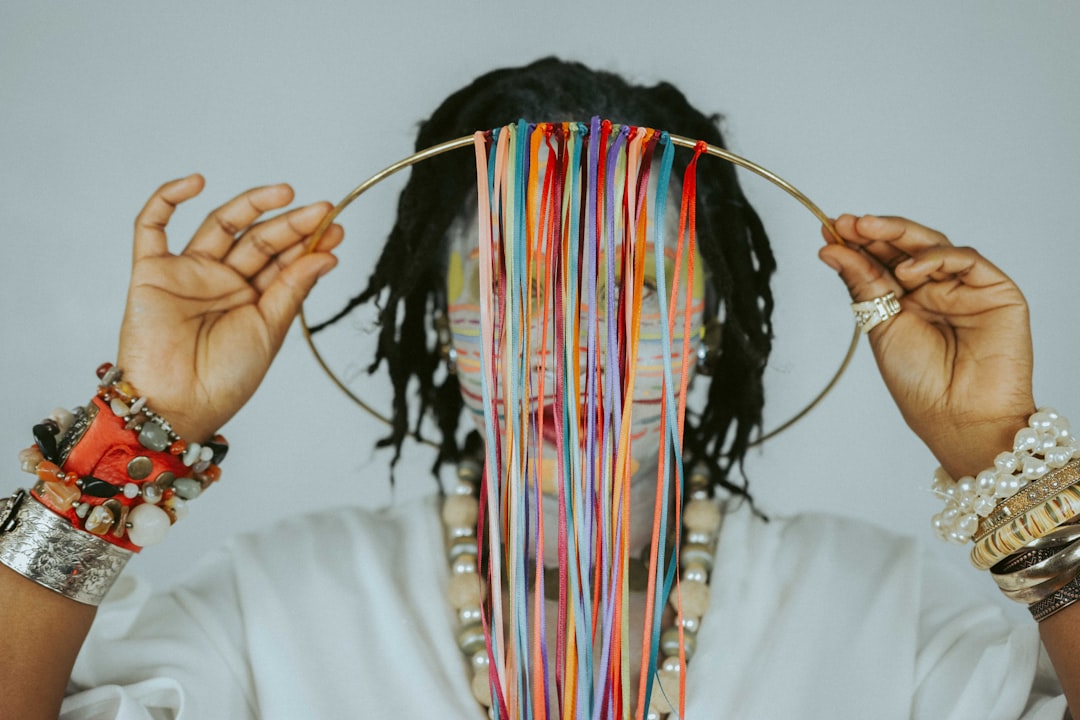
Dreams where faces are obscured by masks are potent symbols of deception, hidden intentions, or a deliberate lack of authenticity. The mask itself represents a facade, something that conceals the true nature of the individual. Psychologically, this can indicate that you are either being deceived by someone in your waking life, or that you yourself are hiding something significant. The nature of the mask – whether it’s elaborate and festive or crude and menacing – can offer clues. A festive mask might suggest playful deception or a social persona, while a crude or frightening mask could point to more sinister intentions or a deeper, more unsettling hidden aspect. Spiritually, masked faces can represent spiritual blindness or a refusal to see the truth. In a more positive light, a mask can also represent a protective layer or a transitionary phase. Practically, this dream urges you to be discerning about the people around you and to be honest with yourself about your own motivations and actions. Are you wearing a mask, or is someone else?
The Face of a Deceased Person: Grief, Unresolved Issues, and Spiritual Connection
Dreaming of the face of someone who has passed away is a deeply emotional experience, often associated with grief, longing, or a sense of unfinished business. Psychologically, these dreams can be a part of the grieving process, allowing your subconscious to work through the loss and find a sense of closure. The expression on their face is key: a peaceful or smiling face may indicate that they are at rest or that you are coming to terms with their passing. A troubled face might suggest unresolved issues or a need for you to address something related to them or your relationship. Spiritually, many believe these dreams are genuine visitations, offering comfort, guidance, or a sense of continued connection. Numerologically, the number associated with the deceased person might offer further insight. Biblically, dreams have often been a means of divine communication. Practically, these dreams can be a gentle reminder to cherish memories, to live fully in the present, and to seek peace with the past. If the dream is distressing, it might be a sign that you need more support to process your grief.
Spiritual & Numerological Meaning
The face, as a symbol in spiritual traditions, is often viewed as a divine imprint or a reflection of the soul. In many ancient cultures, the face was considered sacred, and its depiction in art and ritual held deep significance. Numerologically, the number associated with the dream’s context can provide further layers of meaning. For instance, if the dream features a group of faces, the number three might represent wholeness, while the number seven could signify spiritual insight. The number one, often associated with the self and beginnings, is intrinsically linked to the individual face. The number two can represent duality or relationships, perhaps reflected in two faces interacting. The number nine, signifying completion and wisdom, might appear when a profound understanding of self or a spiritual lesson is being imparted through the faces seen. In the context of chakras, the face is most closely linked to the Throat Chakra (Vishuddha), which governs communication, self-expression, and truth. A clear, radiant face in a dream can suggest an open and balanced Throat Chakra, while a distorted or obscured face might indicate blockages. The Third Eye Chakra (Ajna), associated with intuition and inner vision, is also strongly connected to the eyes and the facial region. Dreams of faces can therefore be a powerful indicator of your spiritual and energetic well-being. Tarot symbolism also offers rich interpretations. The Hierophant, with his wise and often bearded face, represents spiritual guidance and tradition. The Hermit, with his veiled face, speaks of introspection and inner wisdom. The Lovers card, with its depiction of connection, can relate to the faces we see and the relationships they represent. The symbolism of faces in dreams, when viewed through these spiritual lenses, invites us to consider the divine spark within ourselves and others, and the messages that flow from the universe through these potent visages.
Psychological Interpretation
From a Freudian perspective, dreams of faces are deeply rooted in the unconscious mind and often represent repressed desires, unresolved conflicts, or instinctual drives. A particular face might symbolize a parental figure, a love interest, or even a projection of your own Id, Ego, or Superego. The expression on the face could reveal underlying anxieties or gratifications. For example, a seductive face might represent a repressed sexual desire, while a stern face could embody a castigating superego. Carl Jung expanded on this, viewing faces as manifestations of archetypes and the collective unconscious. The stranger’s face, as mentioned, can be a projection of the shadow, the disowned aspects of oneself. A wise old face might represent the Sage archetype, while a cruel face could be the Shadow’s personification. Jung’s concepts of anima (the feminine aspect in men) and animus (the masculine aspect in women) can also be seen in dreams featuring faces, representing the projection of these inner figures onto others. Modern dream science, utilizing neuroimaging and cognitive psychology, suggests that dreams are a form of memory consolidation and emotional regulation. Seeing faces in dreams can be linked to the amygdala’s role in processing emotions and the hippocampus in memory retrieval. Our brains are constantly making sense of social interactions, and dreams about faces reflect this ongoing process. They can be a safe space for the brain to rehearse social scenarios, process emotional responses to people, and solidify our understanding of social cues and facial expressions, all while weaving in elements from our personal history and unconscious drives.
Cultural Variations
The interpretation of faces in dreams can vary significantly across different cultures, reflecting diverse beliefs about identity, the spirit world, and interpersonal relationships. In many indigenous cultures, faces, particularly in masks and art, are deeply connected to ancestral spirits and the spiritual realm. A dream face might be interpreted as a direct message from an ancestor or a spirit guide, offering wisdom or warnings. In some East Asian cultures, the face is intricately linked to concepts of honor, social standing, and ‘face’ as reputation. A dream about losing face, or someone else’s face being damaged, could be a powerful metaphor for social shame or a perceived threat to one’s standing. In Western cultures, while there’s a strong emphasis on individual identity and psychological expression, the interpretation often leans towards personal introspection and relationship dynamics, as discussed in the psychological framework. In some African traditions, dreams are seen as a collective experience, and a dream face might represent not just an individual but the well-being of the community or the presence of communal spirits. The significance of eyes, for instance, is universally recognized, but the cultural nuances around their gaze – whether direct and challenging, or averted and respectful – can alter the dream’s meaning. Similarly, the act of ‘showing one’s face’ can have different connotations, from revealing one’s true self to exposing vulnerability.
What To Do After This Dream
Dreams about faces are invitations to deeper self-understanding. Here are some steps to help you integrate their messages:
- Journaling Prompts:
- Describe the faces you saw in detail. What were their expressions? What emotions did they evoke in you?
- Who were the people whose faces you saw? If they were strangers, what qualities did they seem to possess?
- How did you feel when you saw your own face? Was it familiar, distorted, or something else entirely?
- What is the most vivid memory or feeling associated with this dream?
- Are there any relationships in your waking life that this dream might be reflecting?
- What fears or desires might the faces in your dream represent?
- If a face was masked, what do you think they were hiding, or what might you be hiding?
- Action Steps:
- Self-Reflection: Dedicate time to honestly assess your current self-perception. Are you comfortable with who you are becoming?
- Relationship Check-in: If familiar faces appeared, consider reaching out to those individuals. A simple conversation can clarify unspoken feelings or strengthen bonds.
- Embrace the Unknown: If strangers dominated the dream, be open to new experiences and exploring uncharted territories within yourself.
- Authenticity Practice: Consider areas in your life where you might be wearing a ‘mask’. Can you be more open and honest with yourself and others?
- Creative Expression: Draw, paint, or write about the faces in your dream. This can be a powerful way to process complex emotions and symbols.
- Seek Support: If the dream was particularly disturbing or recurring, consider discussing it with a therapist or dream worker to explore deeper psychological or emotional issues.