Dreaming of Pandas: A Deep Dive into Symbolism, Psychology, and Spiritual Meaning
Did a gentle giant with striking black and white markings lumber into your slumbering world? A panda dream is far from a random flicker of the unconscious mind. These captivating creatures, with their slow, deliberate movements and unique diet, carry a rich tapestry of meaning that can offer profound insights into your waking life. In the realm of dreams, the panda is a potent symbol, urging you to pause, to observe, and to seek balance in a world that often rushes by. This dream is an invitation to a deeper understanding of yourself, your relationships, and your place in the grand scheme of things. Whether the panda appeared in a moment of serene contemplation or amidst a flurry of other dream activity, its presence is a signal that something significant is stirring within your psyche, waiting to be acknowledged and understood.
The panda’s symbolism is rooted in its very essence: a creature of duality, existing in harmony with its environment, yet facing significant challenges for survival. This duality, this delicate dance between strength and vulnerability, is often mirrored in our own lives. Your dream might be highlighting areas where you are striving for balance, or perhaps where this balance is being threatened. Understanding the panda in your dream means unlocking a deeper conversation with your inner self, a conversation that can lead to greater peace, self-awareness, and a more grounded approach to life’s complexities. So, let us embark on this interpretive journey, unraveling the layers of meaning that the panda so beautifully embodies.
What Does a Panda Mean in a Dream?
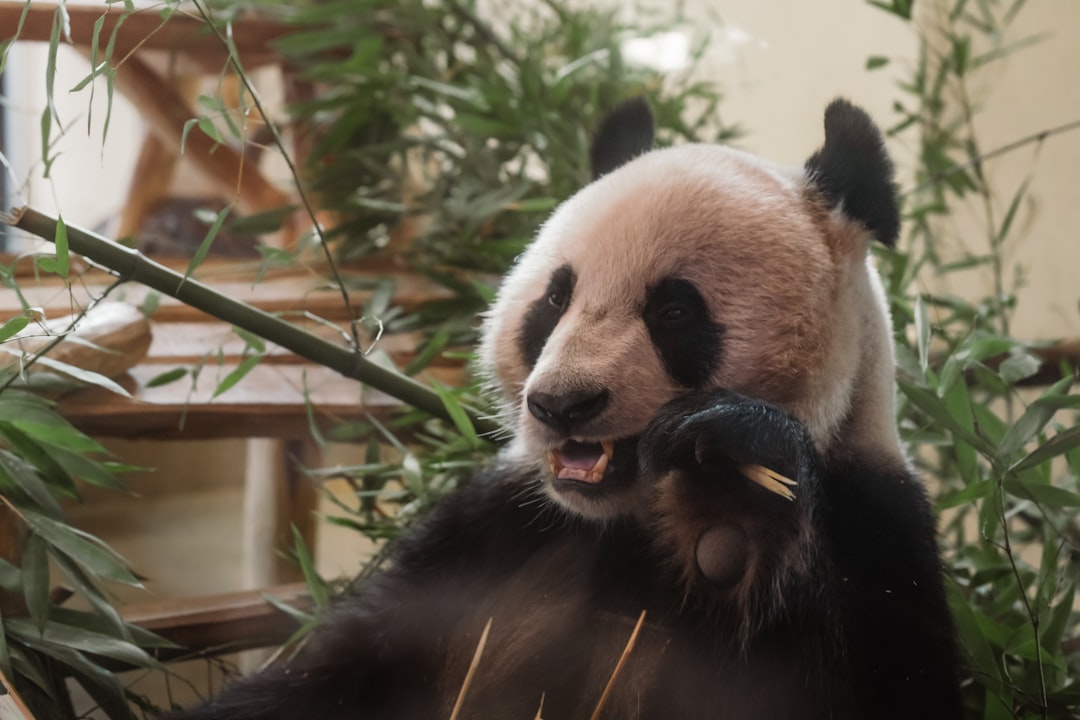
The panda, a creature of striking visual contrast and gentle demeanor, carries a rich symbolic weight in the dreamscape. Etymologically, the word “panda” is believed to have originated from a Nepalese word, “ponya,” possibly meaning “bamboo eater,” a direct nod to its iconic diet. This association with bamboo is crucial; bamboo itself symbolizes flexibility, resilience, and longevity in many Eastern cultures. The panda, by its very nature, embodies these qualities, living a life that is seemingly unhurried yet enduring. In dream interpretation, the panda often emerges as a symbol of peace, tranquility, and balance. Its black and white markings can represent duality – the integration of opposing forces, such as light and shadow, the conscious and the unconscious, or even masculine and feminine energies.
The panda’s solitary nature and its preference for a quiet, secluded existence also speak to introspection and inner peace. When a panda appears in a dream, it can be an encouragement to slow down, to embrace a more mindful approach to life, and to find harmony within oneself and with the external world. Its endangered status, while a somber reality, also adds a layer of symbolism regarding rarity, preciousness, and the importance of preservation. In a dream, this might translate to recognizing and protecting something valuable within yourself or your life that is threatened or needs nurturing. The panda’s gentle giant persona, its perceived harmlessness, often signifies a non-confrontational approach to problems, a preference for diplomacy over conflict, and an innate capacity for kindness and understanding. It can also represent a dormant power, a quiet strength that doesn’t need to be loud or aggressive to be effective. The panda invites you to embody these qualities, to find your strength in stillness and your wisdom in observation.
Common Dream Scenarios
The Peaceful Panda Observing You
In this scenario, you might dream of a panda peacefully observing you from a distance, perhaps in a lush bamboo forest. The emotional tone is typically calm and reassuring. Psychologically, this suggests a part of your unconscious is acting as a benevolent observer, offering a sense of inner guidance and acceptance. It’s your inner wisdom, perhaps embodied by the panda’s serene nature, encouraging you to take a moment of pause and reflection. Spiritually, the panda here represents a state of grace and mindfulness. It might be a reminder to be present in your own life, to observe your circumstances without judgment, and to trust the unfolding of events. Numerologically, if the panda is alone, it can represent the number 1 (unity, new beginnings) or 7 (introspection, spiritual seeking). Practically, this dream is a gentle nudge to slow down, reduce stress, and connect with your inner peace. Are you rushing through life? This panda is asking you to breathe and appreciate the present moment.
The Playful Panda
Imagine a dream where a panda is playfully rolling, munching on bamboo, or interacting with you in a lighthearted manner. The feeling is one of joy, amusement, and comfort. This scenario often points to a need for more playfulness and spontaneity in your waking life. Freud might interpret this as a release of repressed childlike joy or a desire for simpler pleasures. Jung could see it as the integration of the ‘child archetype,’ reminding you to reconnect with innocence and creativity. Spiritually, the playful panda can signify a period of lightheartedness and spiritual joy, a reminder that life doesn’t always have to be serious. It may also connect to the sacral chakra (Svadhisthana), associated with pleasure, creativity, and emotional well-being. Practically, this dream is a clear invitation to inject more fun and relaxation into your routine. Are you taking yourself too seriously? It’s time to embrace a lighter approach to life and to nurture your inner child.
The Injured or Endangered Panda
This dream carries a more somber and urgent emotional weight, often tinged with fear or concern. You might see a panda that is hurt, trapped, or clearly in distress. Psychologically, this could represent a part of yourself that feels vulnerable, neglected, or threatened. It might be your own emotional well-being, a creative project, or a relationship that you perceive as fragile. The panda’s endangered status highlights the preciousness of what is being threatened. Spiritually, this dream could be a call to protect your own inner peace or to advocate for something you believe in that is under siege. It might also relate to the base chakra (Muladhara), suggesting issues with security or foundational well-being. Numerologically, a feeling of loss or danger might point to challenging aspects of numbers like 4 (stability, structure, but also potential rigidity) or 8 (power, but also potential imbalance). Practically, this dream urges you to address areas of your life that are feeling vulnerable. What needs your protection and care? It’s a call to action to nurture and safeguard what is precious before it is lost.
The Aggressive Panda (Rare)
While rare, a dream of an aggressive panda is highly unusual and can be quite unsettling. You might see a panda acting out of character, perhaps roaring or showing signs of aggression. This is a powerful symbol that demands attention. Psychologically, this could represent repressed anger or frustration that you are not acknowledging. The gentle panda acting aggressively suggests that a powerful, perhaps primal, energy is surfacing, and it’s being expressed in an unexpected way. It may be your shadow self, the parts of you that you deny or suppress, making its presence known. Spiritually, this could signify a spiritual imbalance or a forceful awakening that is challenging your current beliefs. It might even be a spiritual warning about unchecked aggression in your own life. Numerologically, such intensity could relate to the powerful and sometimes volatile number 9 (completion, transformation, but also potential chaos). Practically, this dream is a stark warning to examine your own anger, aggression, and any suppressed emotions. Are you bottling things up? This dream is urging you to find healthy ways to express and process these powerful feelings before they erupt destructively.
The Panda and Bamboo Forest
Dreaming of a panda within its natural habitat, a vast bamboo forest, evokes a sense of natural order and belonging. The atmosphere is usually peaceful and harmonious. Psychologically, this scenario signifies a deep connection with your roots, your natural environment, or a feeling of being in your element. It’s where you feel most at home and at peace. Jung might interpret this as a connection to the ‘Great Mother’ archetype, the nurturing and life-giving aspects of nature. Spiritually, the bamboo forest represents growth, abundance, and spiritual nourishment. The panda here is in its element, symbolizing that you too can find your place of peace and flourishing. Numerologically, the abundance of bamboo could point to the number 3 (growth, creativity, expression) or the number 12 (completion, harmony). Practically, this dream suggests you are on the right path, or that you need to seek out environments where you feel nurtured and can thrive. Are you feeling disconnected? This dream encourages you to reconnect with nature and your own sense of belonging.
The Panda in an Unfamiliar Setting
If you dream of a panda in an unusual or urban environment, far from its natural habitat, the emotional context can range from curious to unsettling. Psychologically, this represents a disconnect between your inner self and your external circumstances. The panda, symbolizing peace and natural harmony, is out of place, suggesting that you might feel similarly – like you don’t quite belong or are not in your natural element. It could also signify the intrusion of the wild, untamed aspects of your psyche into the structured, civilized world of your waking life. Spiritually, this might indicate a clash between your spiritual needs and your material reality, or a need to integrate your inner wildness into your daily life. Numerologically, the juxtaposition might highlight the tension between two opposing numbers, such as the grounded 4 and the free-spirited 7. Practically, this dream is a call to re-evaluate your current environment and your role within it. Are you feeling out of place or stifled? It’s time to seek out situations that align more closely with your true nature or to find ways to bring your authentic self into your current surroundings.
Spiritual & Numerological Meaning
From a spiritual perspective, the panda is a profound symbol of Yin and Yang, the ancient Chinese concept of complementary opposites. Its black and white fur is a direct representation of this balance – darkness and light, feminine and masculine, passive and active, all coexisting in harmony. When the panda appears in your dreams, it’s often a divine message urging you to seek equilibrium in your own life. Are you leaning too heavily on one side of a duality? The panda invites you to integrate these opposing forces within yourself, fostering a sense of wholeness and inner peace. This connection to balance also resonates with the concept of the Third Chakra (Manipura), the solar plexus, which governs personal power and self-esteem. A harmonious panda dream can indicate that your Manipura chakra is balanced, allowing for confident and balanced self-expression.
Numerologically, the panda’s presence can be interpreted through various lenses. Its solitary nature might point to the significance of the number 1 (unity, individuality, new beginnings), suggesting a need for self-reliance and inner strength. Alternatively, its association with the tranquil, introspective bamboo forest can link it to the number 7 (spirituality, introspection, wisdom), urging you to delve deeper into your spiritual journey. If you notice multiple pandas, or if the dream has a feeling of abundance, the number 3 (creativity, expression, growth) or the number 12 (harmony, completion, universal order) might be relevant. The number 8, often associated with balance, power, and karma, can also be invoked, especially if the dream highlights the panda’s strength or its role in maintaining equilibrium. The panda’s gentle yet persistent nature also echoes the resilience symbolized by the number 4, hinting at the importance of building a stable foundation for your spiritual growth.
Biblical and mythological references might not directly feature pandas, but their symbolism aligns with universal archetypes. The panda’s gentle nature can be seen as a manifestation of the divine “peace that surpasses all understanding” (Philippians 4:7), an invitation to cultivate serenity amidst life’s storms. Its ability to find sustenance and thrive in its environment can be likened to the biblical promise of provision and trust in a higher power. In broader mythological contexts, the panda embodies the ‘wise hermit’ archetype, a being who possesses deep knowledge and understanding through quiet contemplation, much like the reclusive sages found in many ancient traditions. The panda’s enduring presence, despite its vulnerability, also speaks to the mythic theme of the ‘innocent survivor,’ a testament to the resilience of life itself.
Psychological Interpretation
From a Freudian perspective, the panda in your dream can represent repressed desires for peace, simplicity, or a retreat from the complexities and demands of your conscious life. Its slow, deliberate movements might symbolize a subconscious urge to slow down, to resist the pressures of a fast-paced world that your ego finds overwhelming. The panda’s solitary nature could also be linked to unfulfilled desires for solitude or a need to disconnect from social pressures that cause anxiety. If the panda appears in a nurturing context, it might represent a desire for maternal comfort or a longing for a simpler, more protected existence, tapping into unresolved issues from childhood development. The panda’s gentle facade could also mask a more primal instinct or desire that the ego is attempting to suppress, leading to a symbolic representation of an unmet need for comfort or security.
Carl Jung would likely interpret the panda through the lens of archetypes and the collective unconscious. The panda could embody the archetype of the “Wise Old Man” or “Wise Old Woman,” representing innate wisdom, intuition, and a deep connection to nature. Its black and white markings are a powerful Jungian symbol of the union of opposites, a call for the integration of the conscious and unconscious, the persona and the shadow. The panda might represent the anima or animus – the feminine aspect in a man’s psyche or the masculine aspect in a woman’s – suggesting a need to balance these inner energies. If the panda appears in a negative or disturbing way, it could signify the emergence of the ‘shadow,’ the repressed or unacknowledged aspects of your personality that are surfacing and demanding attention. The panda’s association with nature and its gentle disposition could also point to the ‘Earth Mother’ archetype, signifying a deep connection to nurturing forces and the natural world, or a need to reconnect with these fundamental aspects of existence.
Modern dream science, drawing on neuroscience and cognitive psychology, views dream symbols like the panda as representations of processed information and emotional regulation. The panda’s calming presence in a dream might be the brain’s way of processing stress and anxiety, creating a safe, peaceful internal environment. Its visual distinctiveness (black and white) could be the brain consolidating memories or identifying patterns. The dream might be an attempt by your brain to explore different emotional states related to balance, peace, and vulnerability. The hippocampus, responsible for memory formation and emotional processing, is highly active during dreaming, and the panda could be a visual anchor for complex emotional experiences. Furthermore, the amygdala, the brain’s fear center, might be less active during a peaceful panda dream, indicating a sense of emotional safety and resolution being explored.
Cultural Variations
In Chinese culture, the panda is an iconic national treasure and a potent symbol of peace, harmony, and friendship. It is often associated with the concept of Yin and Yang, its black and white fur representing the perfect balance of opposing forces. Dreams featuring pandas in this context often signify good fortune, reconciliation, and the successful integration of different aspects of life or relationships. The panda’s gentle nature also makes it a symbol of diplomacy and peaceful coexistence. A panda dream in a Chinese cultural context is generally seen as auspicious, a sign that balance and harmony are being sought or achieved, and that positive relationships are being fostered. It is a reminder of the interconnectedness of all things and the importance of maintaining equilibrium.
In Western cultures, where the panda is a more recent fascination, its symbolism tends to be more focused on its inherent gentleness, its cuddly appearance, and its endangered status. Dreams of pandas in a Western context often highlight themes of innocence, vulnerability, and the need for protection. The panda can symbolize a desire for comfort, a need to nurture something precious, or a reflection of one’s own perceived fragility. It can also represent a longing for simplicity and a peaceful escape from the stresses of modern life. The panda’s rare and unique nature can also lead to interpretations of rarity, specialness, and the appreciation of the extraordinary. The Western interpretation often emphasizes the emotional resonance of the panda’s image, focusing on its capacity to evoke feelings of tenderness and a desire for gentle connection.
In some Indigenous cultures, particularly those in regions where similar black and white markings are found in local fauna, dreams featuring such patterns might be interpreted as omens or messages from the spirit world. While not directly referencing pandas, the symbolism of contrasting colors can represent duality, the interconnectedness of life and death, or the need to understand the balance of opposing forces in nature. The gentle, deliberate movements might be associated with the wisdom of the earth and the slow, steady rhythms of the natural world. These interpretations are often deeply tied to the specific cosmology and spiritual beliefs of the culture, where animals are seen as powerful totems or spirit guides offering wisdom and guidance to those who pay attention to their presence in dreams.
What To Do After This Dream
Journaling Prompts:
- Describe the panda in your dream in as much detail as possible. What was its demeanor? Where was it? What was it doing?
- What emotions did you experience during the dream? Were you calm, fearful, joyful, curious?
- How does the panda’s behavior in your dream relate to your current life situation? Are you feeling balanced, stressed, playful, or vulnerable?
- Consider the color symbolism of the panda (black and white). What opposing forces are present in your life? How are you integrating them?
- Did the panda seem to be communicating something to you? What message do you think it was trying to convey?
- Reflect on the environment in your dream. Was it natural or unnatural? How does this setting relate to your current feelings of belonging or displacement?
Action Steps:
- Embrace Balance: If your dream highlighted a need for balance, consciously identify areas in your life where you feel out of sync. Make small, deliberate efforts to bring more equilibrium. This could involve scheduling relaxation time if you’re overworking, or taking on a new creative project if you feel stagnant.
- Seek Inner Peace: The panda often symbolizes tranquility. If you’re feeling stressed, dedicate time to mindfulness, meditation, or spending time in nature. Even a few minutes of deep breathing can make a significant difference.
- Nurture Vulnerability: If you dreamed of an injured or endangered panda, it’s a sign to tend to your own vulnerable areas or to protect something precious in your life. This might involve seeking emotional support, setting boundaries, or dedicating extra care to a project or relationship.
- Integrate Opposites: The black and white of the panda represent duality. Explore the “shadow” aspects of yourself – the parts you tend to deny. Journal about them, or engage in activities that allow for their expression in a safe way.
- Inject Playfulness: If the panda was playful, find ways to bring more joy and lightheartedness into your life. Engage in activities you enjoyed as a child, spend time with loved ones who make you laugh, or simply allow yourself to be more spontaneous.
- Connect with Nature: If the panda was in its natural habitat, consider spending more time outdoors. Connect with the grounding and healing energy of the natural world, which the panda so beautifully embodies.