The Silent Sage: Unpacking the Profound Meanings of a Monk in Your Dreams
The quiet rustle of a saffron robe, the steady gaze of eyes that have seen beyond the material world, the palpable aura of peace – a monk in a dream is a potent symbol that rarely appears by accident. Far from being a simple religious figure, the monk emerges from the depths of your psyche as a messenger, a guide, or perhaps even a reflection of a suppressed aspect of yourself. This apparition is an invitation to pause, to listen to the whispers of your soul, and to consider the spiritual and psychological currents shaping your waking life. Whether the monk brings a sense of calm or a stir of unease, their presence demands your attention, urging you to look inward and embrace the profound wisdom that lies dormant within. Understanding this dream is not just about deciphering symbols; it’s about embarking on a journey of self-discovery and spiritual awakening.
What Does a Monk Mean in a Dream? The Etymology of Serenity and Discipline
The word “monk” itself carries a rich tapestry of meaning, originating from the Greek word “monos,” meaning “alone.” This etymology is crucial to understanding the dream symbolism. A monk, by definition, is one who has withdrawn from the world, often to pursue a life of spiritual devotion, contemplation, and asceticism. This withdrawal is not necessarily about social isolation but about a deliberate turning inward, a commitment to a higher purpose, and a dedication to mastering one’s desires and impulses. In dreams, the monk embodies these core concepts: solitude, discipline, renunciation, spiritual pursuit, and a deep inner peace that can be cultivated. They represent the part of us that seeks meaning beyond the mundane, that yearns for a connection to something greater than ourselves. The monk can also symbolize a desire for order, structure, and a simplification of life’s complexities. They are often seen as keepers of ancient knowledge, conduits of divine wisdom, and exemplars of self-control. Their presence in your dream is a powerful prompt to examine your own relationship with these qualities, whether you feel you possess them, are striving for them, or perhaps are neglecting them in your current life circumstances.
Common Dream Scenarios: Navigating the Monk’s Presence
Scenario 1: A Benevolent Monk Offering Guidance (Pleasant Emotional Context)
Imagine a dream where a gentle, kindly monk approaches you with a serene smile. They might offer a cryptic piece of advice, a comforting touch, or simply radiate an aura of profound peace. This scenario is incredibly positive, suggesting that you are on a path of spiritual growth and self-understanding. The monk here acts as a benevolent spirit guide, an aspect of your Higher Self, or a manifestation of your innate wisdom. This dream indicates that you are open to receiving guidance and are likely making choices that align with your spiritual values. It signifies a period of clarity, inner harmony, and perhaps even blessings coming your way. You may feel a deep sense of contentment and purpose in your waking life. The monk’s guidance, though perhaps subtle, is precisely what you need at this time, helping you navigate challenges with grace and discernment.
Scenario 2: A Stern or Judgmental Monk (Fearful Emotional Context)
Conversely, you might dream of a monk with a stern, unforgiving expression, perhaps scolding you or casting a shadow of judgment. This dream can evoke feelings of guilt, shame, or inadequacy. Psychologically, this could represent a powerful internalized critic – your Super-ego – or a fear of divine retribution. Spiritually, it might point to a feeling that you are falling short of your spiritual ideals or moral obligations. The monk’s sternness is a reflection of your own self-judgment. It’s a call to examine where you are being overly harsh with yourself, where you feel you have failed to live up to certain standards (either your own or those you perceive others to hold). This dream is an opportunity to practice self-compassion and to understand that true spiritual growth comes from acceptance, not condemnation.
Scenario 3: A Monk in a Mundane Setting (Neutral Emotional Context)
Picture a monk in an unexpected, everyday location – a supermarket, a busy street, or even your own home. This juxtaposition of the sacred and the secular is fascinating. It suggests that spirituality and inner peace are not confined to monasteries or specific times of devotion. The monk appearing in a mundane setting is a reminder that the divine is present in all aspects of your life. It signifies an integration of your spiritual aspirations with your daily reality. You are likely seeking to bring more mindfulness, intention, and peace into your everyday routines. This dream encourages you to find the sacred in the ordinary, to see the potential for growth and wisdom in every moment, no matter how uneventful it may seem.
Scenario 4: A Monk Performing Rituals or Chanting (Neutral/Spiritual Context)
Witnessing a monk engaged in prayer, meditation, chanting, or other devotional practices is a powerful symbol of spiritual discipline and the pursuit of enlightenment. This dream suggests a deep yearning within you for connection to the sacred, a desire to engage in practices that foster inner peace and spiritual understanding. It could indicate that you are actively seeking spiritual growth, or that your subconscious is urging you to embrace more disciplined spiritual practices in your waking life. The repetition of chants can symbolize the power of mantra and focused intention, while meditation signifies the quieting of the mind to access deeper truths. This dream is an affirmation of your spiritual journey and a nudge to deepen your commitment to practices that nourish your soul.
Scenario 5: A Monk in a State of Distress or Suffering (Fearful/Emotional Context)
If the monk in your dream appears troubled, ill, or in pain, this is a significant and often unsettling vision. This could symbolize a part of yourself that you are neglecting or suppressing, a spiritual aspect that is suffering due to your actions or inactions. It might also represent a collective spiritual malaise you are sensitive to, or a feeling of spiritual crisis within your immediate community or the world at large. This dream calls for deep introspection. Are you ignoring your intuition? Are you neglecting your spiritual well-being? Is there a moral or ethical conflict you are trying to avoid? The monk’s suffering is a cry for attention, an indication that something within your spiritual or inner life needs healing and care.
Scenario 6: You Yourself Becoming a Monk (Transformative Context)
Perhaps the most profound dream scenario is when you find yourself embodying the role of a monk. This indicates a powerful internal shift. You may be contemplating a significant renunciation in your life – letting go of material possessions, unhealthy relationships, or old patterns of behavior. It signifies a desire for a simpler, more focused, and more spiritually oriented existence. This dream is about your potential for profound transformation and your willingness to embrace discipline and detachment for the sake of higher growth. It can also represent a desire to escape the pressures and complexities of the external world and to find solace and meaning in inner stillness and dedicated practice.
Spiritual & Numerological Meaning: The Monk’s Path to Enlightenment
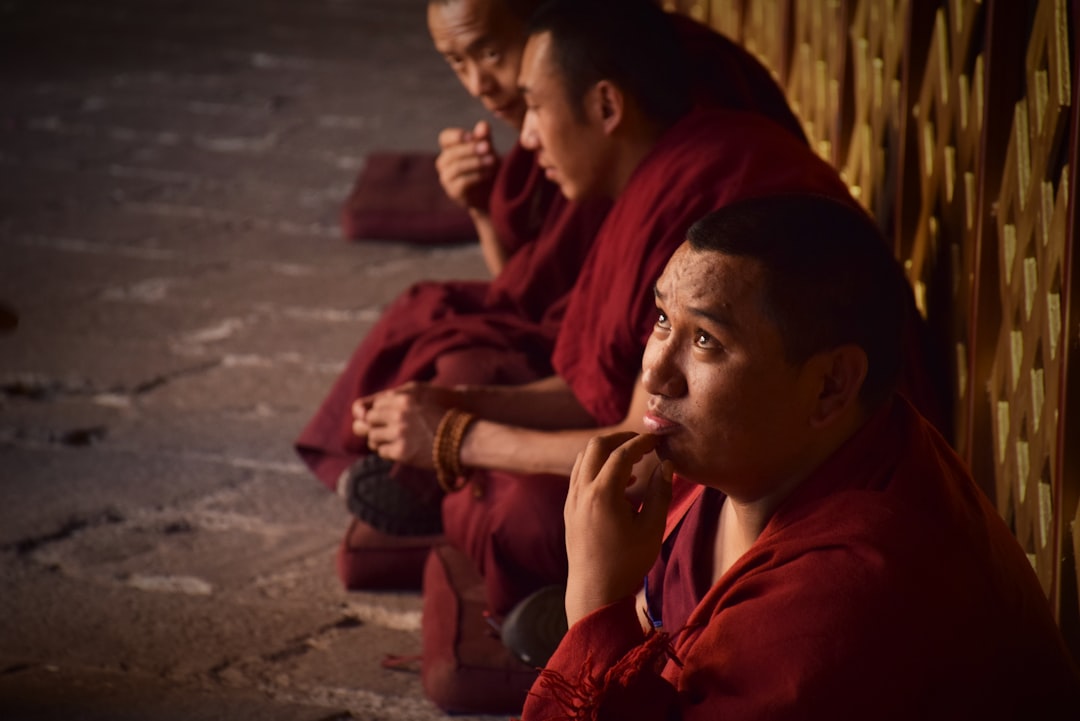
From a spiritual perspective, the monk is a powerful archetype of detachment, devotion, and the quest for ultimate truth. In many Eastern traditions, monks are seen as embodiments of compassion, wisdom, and the renunciation of ego. Their vows of poverty, chastity, and obedience are symbolic of the mastery of the lower self and the elevation of the spirit. In Buddhism, monks are dedicated to following the Noble Eightfold Path, a guide to ethical conduct, mental discipline, and wisdom, all aimed at achieving enlightenment. The monk’s presence can resonate with the concept of the Sadhana – the spiritual discipline undertaken by a seeker. Numerologically, the number associated with solitude, introspection, and spiritual leadership is often 1. The monk, in their singularity of purpose, embodies this essence. If a monk appears repeatedly in your dreams, observe the numbers present in the dream – the number of monks, the time of day, or any other numerical clues, as they can further illuminate the message. For example, a dream with three monks might relate to spiritual trinity or balance. The monk’s robes, often in shades of saffron, orange, or brown, are also symbolically rich. Orange is associated with the Sacral Chakra (creativity, passion, emotional balance) and the Solar Plexus Chakra (personal power, self-esteem, will), suggesting that the monk’s message might involve rebalancing these energy centers. Their quiet demeanor and focus on inner peace connect to the Throat Chakra (communication, truth) and the Third Eye Chakra (intuition, spiritual insight).
Psychological Interpretation: Unconscious Desires, Archetypes, and the Inner Sage
From a Freudian perspective, the monk might represent a repressed desire for order and control over primal instincts (the Id). The monk’s asceticism could symbolize a powerful Superego, dictating what is morally acceptable, or perhaps a fear of indulging in forbidden desires. The dream could be the unconscious mind working through feelings of guilt or shame associated with certain impulses. Carl Jung, however, would see the monk as a powerful archetype, specifically the Wise Old Man or a manifestation of the Self. The monk embodies wisdom, spiritual authority, and the potential for individuation – the process of becoming a whole, integrated personality. The monk can also represent the dreamer’s Shadow self – the aspects of themselves they deny or repress, particularly those related to discipline, self-denial, or a desire for spiritual purity. If the monk is benevolent, it points to the integration of this wise, disciplined aspect. If the monk is menacing, it suggests the Shadow is unacknowledged and potentially causing inner conflict. Modern dream science suggests that dream imagery often reflects our waking concerns and emotional states. A monk appearing might indicate that the dreamer is contemplating significant life choices, seeking meaning, or experiencing a period of introspection. The brain regions associated with introspection and self-awareness are likely active during such dreams, processing our deepest questions about purpose and existence.
Cultural Variations: The Monk Across the Globe
The interpretation of a monk in a dream can vary significantly across cultures, reflecting diverse spiritual and social contexts. In Western cultures, historically influenced by monastic traditions of Christianity (Benedictines, Franciscans, etc.), a monk might symbolize asceticism, devotion, or even a rejection of worldly pleasures. They could also be seen as figures of wisdom and detachment. In Eastern cultures, particularly those with strong Buddhist or Hindu traditions, the monk holds a more central and revered position. A Buddhist monk is a direct embodiment of the path to enlightenment, renunciation, and compassion. Their presence in a dream would be highly significant, pointing towards spiritual seeking, ethical conduct, and the possibility of liberation from suffering. In some Indigenous cultures, figures who dedicate their lives to spiritual pursuits and communal well-being might be seen in a similar light to monks, representing wisdom keepers and spiritual guides. It’s important to consider your own cultural background and the prevailing spiritual narratives you have been exposed to when interpreting the monk’s appearance.
What To Do After This Dream: Journaling Prompts and Action Steps
The appearance of a monk in your dreams is an opportunity for profound self-reflection and potential transformation. Don’t let this message from your subconscious fade away. Here’s how to engage with it:
- Journaling Prompts:
- Describe the monk in detail: their robes, expression, demeanor, and any actions they took.
- What emotions did you feel during the dream? (Peace, fear, curiosity, reverence, etc.)
- What was the setting of the dream? How did the monk interact with it?
- Did the monk speak to you? If so, what did they say? If not, what message did you feel they conveyed non-verbally?
- What aspects of a monk’s life – discipline, solitude, devotion, detachment – resonate with you right now?
- Are there any areas in your life where you feel you need more order, peace, or spiritual focus?
- Are you being too hard on yourself? Where might self-compassion be needed?
- What does “renunciation” mean to you in your current life context?
- Action Steps:
- Practice Stillness: Dedicate a few minutes each day to silent meditation or quiet reflection. Observe your thoughts without judgment.
- Embrace Discipline: Identify one small area where you can introduce more discipline or structure into your life, whether it’s a morning routine, a healthy habit, or a creative practice.
- Seek Wisdom: Read spiritual texts, listen to teachings, or engage in conversations that explore deeper meaning and purpose.
- Cultivate Detachment: Practice letting go of things you cannot control. Focus on what truly matters and release attachment to outcomes or material possessions that weigh you down.
- Practice Self-Compassion: If the monk appeared judgmental, consciously practice forgiving yourself and acknowledging your efforts.
- Simplify Your Life: Look for areas where you can declutter your schedule, your environment, or your mental space to create more room for peace and intention.
The monk in your dream is a powerful guide. By thoughtfully exploring their presence, you can unlock profound insights and embark on a path of greater peace, purpose, and spiritual fulfillment.