Dreaming of the Sand Desert: Unearthing Your Inner Landscape
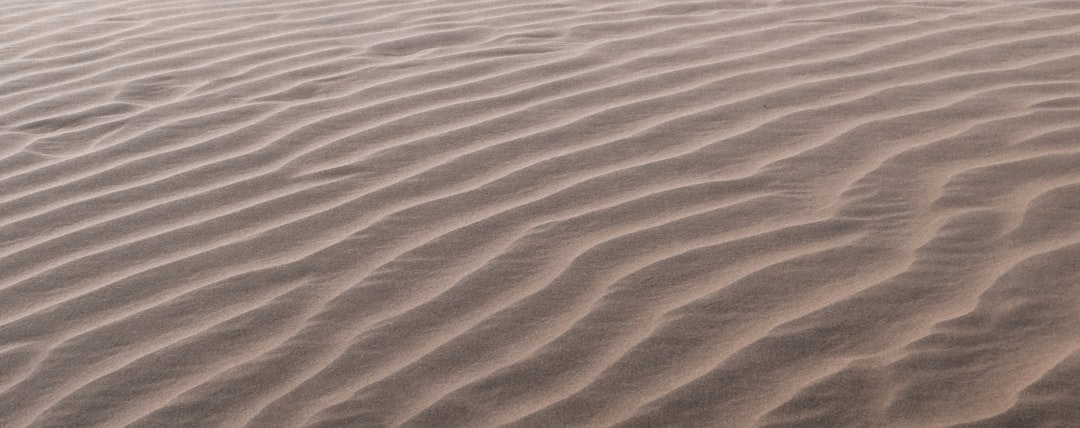
Does the vast, silent expanse of a sand desert haunt your dreams? The shifting sands, the relentless sun, the profound emptiness – these elements combine to create a potent dream symbol that can stir deep emotions and offer profound insights. A dream of a sand desert is rarely a fleeting image; it’s an invitation from your subconscious to explore the arid, uncultivated, or perhaps even fertile, regions of your inner landscape. It speaks to themes of isolation, endurance, searching, and the raw, untamed aspects of your being. Understanding the desert’s whispers can illuminate your current path, revealing hidden desires, dormant potentials, and the challenges you are currently navigating, or are about to face. Let us journey together into this symbolic expanse and unearth the treasures it holds for you.
What Does a Sand Desert Mean in a Dream?
The word “desert” originates from the Latin word “deserere,” meaning “to abandon” or “to forsake.” This etymology immediately imbues the dream symbol with a sense of emptiness, barrenness, and a feeling of being left behind or alone. In its most primal sense, a desert represents a place devoid of life, sustenance, and comfort. It is a landscape that demands resilience, where survival is paramount and where the slightest deviation can lead to peril. Psychologically, this translates to feelings of emotional dryness, a lack of fulfillment, or a sense of isolation in one’s waking life. It can signify periods of emotional drought, where one feels disconnected from their feelings or from others. Spiritually, the desert has long been a place of profound spiritual seeking and transformation. Many religious traditions involve periods of isolation and hardship in the desert as a means of purification and connection to the divine. Think of the biblical journeys of Moses, Jesus’ forty days in the wilderness, or the ascetics who sought enlightenment in desolate landscapes. These narratives highlight the desert as a crucible for spiritual growth, a place where the ego is stripped away, and the true self can emerge. The vastness of the desert can also represent the infinite potential of the unconscious mind, a space where the seeds of new ideas and possibilities lie dormant, waiting for the right conditions to sprout. It can symbolize a blank canvas, an opportunity for reinvention, or a period of introspection before a significant creative or personal undertaking.
Common Dream Scenarios
Being Lost in a Vast, Empty Desert
This is perhaps the most archetypal desert dream, evoking feelings of profound disorientation and fear. Psychologically, it suggests you are feeling overwhelmed and directionless in your waking life. You might be grappling with a major decision, a career change, or a personal crisis, and feel as though you lack the resources or guidance to navigate it. The vastness amplifies your sense of insignificance and the fear of being unable to find your way back to a place of safety or stability. Spiritually, it can signify a period of spiritual searching where you feel disconnected from your usual sources of comfort and faith, questioning your beliefs and purpose. The lack of landmarks represents a departure from familiar spiritual paths, forcing you to forge your own way through the wilderness of existential inquiry.
Crossing a Desert Successfully
If you are traversing a desert in your dream and reaching the other side, this is a powerful symbol of your inner strength and resilience. It indicates that you are currently facing significant challenges or a period of hardship in your life, but you possess the inner fortitude to overcome them. This dream is a testament to your perseverance, your ability to endure difficult circumstances, and your capacity to find solutions even when faced with seemingly insurmountable obstacles. It suggests that you are emerging from a period of trial stronger and more capable than before. The successful crossing signifies a transition to a more fulfilling or stable phase of life, a reward for your endurance.
Finding an Oasis in the Desert
Discovering an oasis amidst the barrenness of a desert in your dream is a deeply positive omen. It signifies hope, renewal, and the discovery of unexpected resources or support. In your waking life, this could mean finding a solution to a pressing problem, encountering a helpful person, or experiencing a resurgence of creative energy or emotional fulfillment. The oasis represents a sanctuary, a place of respite and rejuvenation in a challenging period. It suggests that even in times of perceived scarcity or difficulty, there are sources of life and comfort available to you. This dream often appears when you are feeling depleted and are about to stumble upon something that will nourish your spirit.
A Desert Turned into a Lush Landscape
This transformative dream symbolizes profound personal growth and the overcoming of adversity. It suggests that you are capable of bringing life and beauty to even the most desolate or challenging aspects of your life. You might be transforming a difficult situation, healing from past trauma, or cultivating a new, vibrant aspect of yourself. This dream indicates a deep inner alchemy, where barrenness is giving way to fertility, and despair is transforming into hope and abundance. It’s a powerful message of your capacity for positive change and the blooming of your inner potential.
Living in the Desert (Dwelling there)
If you find yourself living in a desert in your dream, it can have several interpretations. It might suggest a current feeling of emotional or spiritual barrenness that you have become accustomed to, perhaps even accepting as your reality. Alternatively, it could signify a period of deliberate self-imposed isolation for introspection and spiritual growth, a conscious withdrawal from the world to find yourself. It could also represent a feeling of being stuck or settled in a difficult or unfulfilling situation, a resignation to a lack of progress or comfort. The emotional tone of the dream is crucial here: is it one of peace and acceptance, or of despair and entrapment?
Sandstorms in the Desert
Sandstorms in a desert dream are potent symbols of disruption, chaos, and overwhelming forces. They represent sudden, uncontrollable changes or emotional turbulence that threaten to engulf you. You may be feeling overwhelmed by external pressures, internal anxieties, or a chaotic situation in your life. The sandstorm can also symbolize a cleansing process, albeit a harsh one, that clears away the old to make way for the new. It suggests a period of intense upheaval, where you must hold on tight and weather the storm, trusting that it will eventually pass, leaving behind a changed landscape.
Spiritual & Numerological Meaning
In many spiritual traditions, the desert is a sacred space of purification and divine encounter. Numerologically, the number associated with the desert can vary, but often it connects to the number 1 (representing new beginnings, solitude, and self-reliance) or the number 7 (representing introspection, spirituality, and inner wisdom). A desert journey can be seen as a spiritual quest, a shedding of worldly attachments to connect with the divine essence within. The vastness of the desert echoes the infinite nature of the universe and the divine consciousness. The silence of the desert is not an absence of sound, but rather an amplification of the inner voice. It is a place where one can hear the subtle whispers of intuition and guidance. In some esoteric traditions, the desert can represent the liminal space between the physical and spiritual realms, a place where veils are thin and spiritual insights are more readily accessible. The element of earth, often associated with stability, is here transformed into sand, representing impermanence and the shifting nature of reality. This can be a profound lesson in detachment and the acceptance of change. The extreme conditions of the desert – intense heat, lack of water – can symbolize the challenges faced in purifying the spiritual self, burning away impurities and egoic attachments to reveal the core essence. The biblical narrative of the Israelites’ forty years in the desert, for instance, is a powerful allegory for the soul’s journey through trials to reach the promised land of spiritual fulfillment and liberation.
Psychological Interpretation
From a Freudian perspective, the desert can symbolize a repressed sexual desire or a sense of sexual barrenness and frustration. The vast, open space could represent the unconscious mind itself, a place where primal urges lie dormant and unfulfilled. The heat and dryness might signify unexpressed libido or a lack of emotional intimacy. Jungian psychology offers a richer interpretation. The desert is an archetype of the Shadow self – the unexplored, unintegrated aspects of our personality that lie dormant in the unconscious. It can also represent the Anima/Animus in a state of aridness, indicating a lack of connection to one’s inner feminine or masculine qualities. The desert can be a place of profound individuation, where the dreamer is forced to confront their own inner wilderness and integrate these hidden aspects. Modern dream science suggests that desert dreams often arise during periods of significant life transition, stress, or when an individual is feeling emotionally overwhelmed or disconnected. The brain, in its attempt to process these feelings, conjures the imagery of a vast, empty, and challenging landscape. The dream can be a signal that the dreamer is experiencing a lack of emotional nourishment or a feeling of being stuck in a rut, prompting them to seek new sources of meaning and fulfillment. It can also highlight a need for introspection and self-discovery, urging the dreamer to look within for answers rather than relying on external validation or resources.
Cultural Variations
Across different cultures, the desert holds remarkably similar yet nuanced interpretations. In Middle Eastern and North African cultures, the desert is often seen as a place of ancient wisdom, spiritual retreat, and the origin of profound traditions. It is a landscape that shapes resilience and fosters deep connection to the natural world and the divine. Nomadic cultures living in deserts often have a deep respect for its harsh beauty and its ability to sustain life in extraordinary ways, viewing it as a teacher of patience and endurance. In Indigenous Australian cultures, the desert is deeply spiritual, often referred to as the “Dreaming” or “Dreamtime.” It is a sacred land, rich with ancestral stories, creation myths, and profound spiritual power. Dreams of the desert can be seen as direct messages from the ancestral spirits or a journey into the spiritual realm. In Western cultures, particularly those influenced by biblical narratives, the desert is often associated with hardship, divine testing, and periods of spiritual purification. The image of the “wasteland” or “barren land” can also carry connotations of desolation and a lack of spiritual or emotional fulfillment, reflecting a more secularized or psychologically focused interpretation. In South American cultures, some desert regions are considered sacred, holding ancient ruins and spiritual significance, often linked to cycles of death and rebirth, and the resilience of life in extreme conditions.
What To Do After This Dream
This dream is a powerful call to introspection and action. Take some time to sit with the feelings evoked by the dream. Were you fearful, hopeful, resigned, or at peace? Your emotional response is a crucial key to its meaning.
Journaling Prompts:
- Describe the desert in your dream in as much detail as possible. What was the color of the sand? Was it hot or cold? Were there any sounds?
- How did you feel being in the desert? What emotions did the landscape evoke?
- Were you alone or with others? If with others, who were they and what was your interaction like?
- What was your goal in the desert? Were you trying to reach somewhere, escape something, or simply survive?
- What aspects of your waking life feel “barren” or “empty” right now?
- When have you felt lost or overwhelmed recently?
- What sources of “water” or “sustenance” (emotional, spiritual, creative) are you currently lacking, or have you recently found?
- Consider the archetypes: Do you feel you are confronting your Shadow, or neglecting your Anima/Animus?
Action Steps:
- Seek nourishment: If your dream suggested emotional or spiritual dryness, actively seek out activities that replenish you. This could be spending time in nature, engaging in creative pursuits, connecting with loved ones, or practicing mindfulness.
- Find your oasis: Identify what brings you hope and renewal. Make a conscious effort to incorporate these “oases” into your daily life, even small moments of joy or peace can make a difference.
- Chart your course: If you felt lost, take a step back to assess your current direction. Break down larger goals into smaller, manageable steps. Seek advice from trusted friends, mentors, or professionals if needed.
- Embrace transformation: If the dream was one of overcoming hardship, acknowledge your strength and resilience. Celebrate your progress and trust in your ability to navigate future challenges.
- Explore the inner landscape: If the desert represents unexplored parts of yourself, consider practices like meditation, therapy, or journaling to delve deeper into your subconscious and integrate hidden aspects of your personality.