The Wolf in Your Dreams: Unmasking the Wild Within
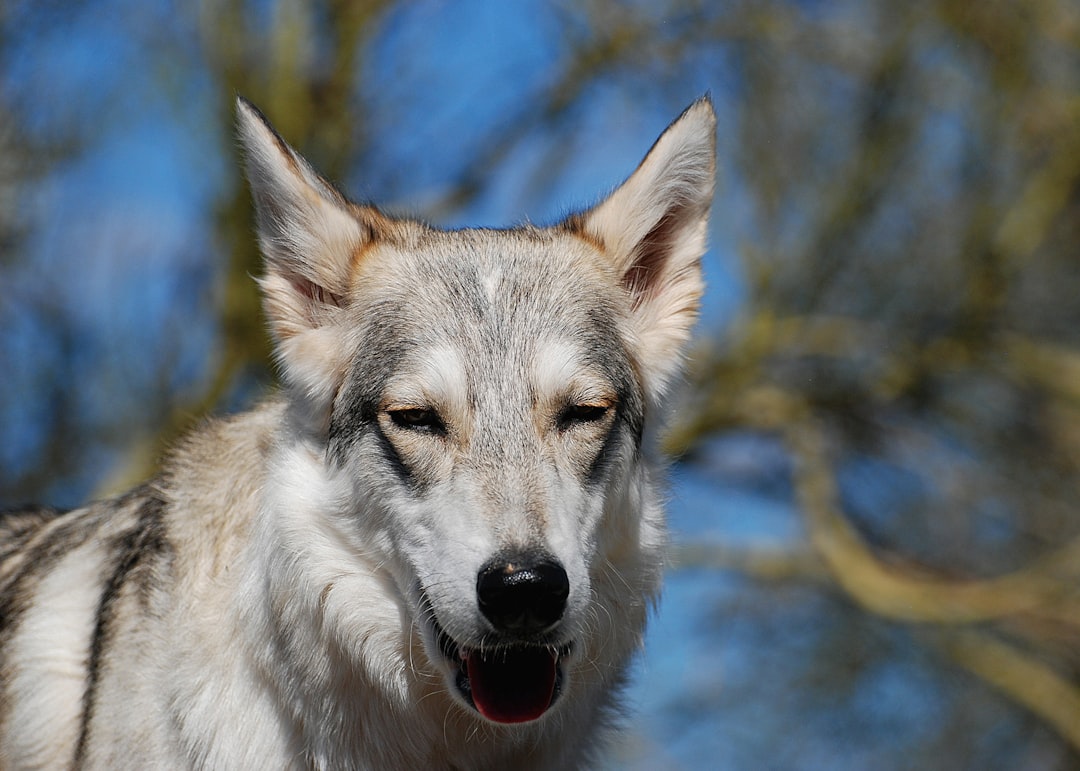
The wolf, a creature of myth and instinct, often roams the landscapes of our dreams, carrying potent messages from the deepest recesses of our psyche. Its howl can echo with primal fear, its eyes can gleam with fierce loyalty, or its presence can signify an untamed force stirring within you. To dismiss a wolf dream is to ignore a vital communication from your unconscious mind, a whisper from the wild that demands attention. This dream isn’t just a fleeting image; it’s a potent symbol that can illuminate your current challenges, reveal hidden strengths, and guide you toward a more authentic and empowered existence. Are you being warned of danger, or are you being called to embrace your own ferocity? Let us delve into the multi-layered meanings of the wolf in your dreams, uncovering the secrets it holds for your waking reality.
What Does a Wolf Mean in a Dream?
The wolf (from Old English wulf, Proto-Germanic *wulfaz) is a symbol steeped in ancient lore, often associated with duality: it can represent both primal ferocity and profound wisdom, wildness and community, danger and protection. In the animal kingdom, the wolf embodies intelligence, cunning, and a strong social structure, often hunting in packs. This inherent duality is central to its dream symbolism. On one hand, the wolf can signify a threat, an aggressive force, or a predatory aspect that you either fear or are embodying. It can represent the ‘shadow self’ – the repressed, instinctual, and often darker aspects of our personality that we deny or project onto others. This fear might stem from external pressures, a feeling of being hunted, or an internal struggle with your own aggressive impulses. Conversely, the wolf can symbolize liberation, independence, and the raw power of instinct. It speaks to our connection with nature, our primal urges, and our capacity for survival and resilience. It can also represent loyalty, strong bonds within a group or family, and the protective instinct. The wolf’s keen senses and ability to navigate the wilderness point to intuition, keen perception, and the wisdom to overcome obstacles. Its solitary nature can also represent individualism and self-reliance.
Common Dream Scenarios
Fearing a Wolf (Fearful Context)
If your dream is filled with the terror of being chased, attacked, or cornered by a wolf, this is a clear manifestation of fear and anxiety in your waking life. Psychologically, this can point to an overwhelming situation or a person you perceive as a threat. You might feel powerless against external forces, like a looming deadline, a difficult relationship, or a financial worry. The wolf represents the overwhelming nature of this challenge, its predatory instinct mirroring your feeling of being vulnerable and exposed. Spiritually, this could indicate an imbalance in your personal boundaries or a spiritual attack, where negative energies are attempting to drain your vitality. The dream is urging you to acknowledge your fears, rather than suppressing them, and to find ways to protect yourself, both emotionally and physically. It’s a call to assess what in your life feels like it’s ‘hunting’ you and to develop strategies for defense and escape. Consider what aspects of yourself feel untamed and threatening, and how you are trying to suppress them.
Being Attacked by a Wolf (Fearful Context)
Being bitten or mauled by a wolf in a dream amplifies the sense of vulnerability and violation. This suggests that a perceived threat has become very real, or that you feel deeply wounded by someone’s actions or words. It could be a betrayal by a trusted friend, a harsh criticism that has wounded your ego, or a situation where you feel your boundaries have been aggressively crossed. This dream often arises when you feel your core self is being attacked, leading to feelings of helplessness and a loss of control. The pain and injury from the wolf’s attack represent the emotional or psychological damage you are experiencing. It’s a powerful signal to address the source of this pain, to seek healing, and to reinforce your defenses. Are you allowing others to ‘prey’ on your kindness or vulnerabilities? This dream might be a desperate plea from your psyche to recognize and protect yourself from further harm.
Seeing a Lone Wolf (Neutral to Positive Context)
A lone wolf in a dream often symbolizes independence, self-reliance, and a journey of personal discovery. It speaks to your ability to navigate life’s challenges on your own terms, embracing solitude as a source of strength rather than loneliness. This dream can indicate a period of introspection, where you are connecting with your inner wisdom and intuition. It might signify a desire for autonomy, to break free from constraints, or to forge your own path. Spiritually, the lone wolf can represent your unique spiritual journey, your connection to your higher self, and your capacity for profound self-understanding. It suggests you possess the resilience and resourcefulness to face whatever comes your way. This is a positive omen, encouraging you to trust your instincts and to embrace your individuality. It’s a sign that you are capable of thriving on your own, and that your inner strength is your greatest asset.
A Pack of Wolves (Neutral to Positive Context)
Encountering a pack of wolves can represent your connection to your community, your family, or a group you belong to. It symbolizes loyalty, cooperation, and the strength found in unity. If the pack appears benevolent or protective, it suggests you are part of a supportive network and that you can rely on others for strength and guidance. This dream can highlight the importance of teamwork and shared goals. Spiritually, a wolf pack can represent a spiritual family or a collective consciousness. It signifies that you are not alone in your journey and that there is strength in shared purpose. However, if the pack appears menacing, it could indicate a negative group influence or a feeling of being pressured by societal expectations or peer pressure. The dream encourages you to examine the dynamics of your social circles and the role of conformity versus individuality.
Playing with or Taming a Wolf (Positive Context)
Dreaming of playing with or successfully taming a wolf is a powerful symbol of integrating your primal instincts and untamed aspects into your conscious self. It signifies that you are gaining mastery over your own wilder emotions, impulses, and desires, rather than being controlled by them. This dream suggests you are embracing your shadow self in a healthy way, recognizing its power and learning to harness it constructively. Psychologically, it indicates a newfound confidence and self-control. You are no longer running from your ‘inner wolf’ but are learning to communicate with it. Spiritually, this can represent achieving a harmonious balance between your earthly desires and your spiritual aspirations. It’s a sign of immense personal growth, courage, and the ability to embrace your full, authentic self. You are transforming your perceived ‘wildness’ into a source of strength and creativity.
A Wolf Protecting You (Positive Context)
If a wolf is defending you from danger or guiding you through a difficult situation, this is a profoundly positive omen. It signifies that you have a powerful guardian, either in the spiritual realm, within your own inner strength, or through supportive people in your life. The wolf’s protective nature represents fierce loyalty, unwavering support, and the intuition to navigate threats. This dream can indicate that you are tapping into a deep well of personal power and resilience. Spiritually, it might suggest the presence of spirit guides, animal totems, or divine protection. It’s a reassurance that you are not alone and that you have the inner resources to overcome any adversity. This dream is a powerful affirmation of your inherent strength and the unseen forces that are working to support you.
Spiritual & Numerological Meaning
From a spiritual perspective, the wolf is often seen as a powerful totem animal, a spirit guide that embodies intuition, instinct, and the ability to see through deception. In many indigenous cultures, the wolf is revered for its wisdom, its connection to the moon, and its role in the spiritual balance of nature. The number associated with the wolf can vary, but its wild nature often links it to primal energies. If we consider the number 8 (representing infinity, power, and cycles), the wolf’s enduring presence and instinctual drive can align with this energy. In some esoteric traditions, the wolf’s howl is believed to communicate with the spirit world, bridging the gap between the physical and the ethereal. In Tarot, the wolf is not a direct card but its symbolism is present in cards like The Hermit (solitude, inner wisdom), The Moon (intuition, illusion, the subconscious), and The Devil (shadow self, primal instincts). The wolf’s connection to the moon also links it to the lunar cycle, representing the ebb and flow of emotions, intuition, and the feminine divine. Its presence can also signify a period of intense personal transformation, akin to the death and rebirth cycles symbolized by the number 13 (often reduced to 4, representing structure, but with the underlying transformative energy of 13). The wolf teaches us to trust our instincts, to embrace our wildness, and to understand that true power lies in our connection to the natural world and our inner truths.
Psychological Interpretation
From a Freudian perspective, the wolf in a dream can represent repressed sexual desires or aggressive impulses that the dreamer is unwilling to acknowledge. The wolf’s predatory nature might be a manifestation of the Id – the primal, instinctual part of the psyche driven by immediate gratification and uninhibited urges. If the wolf is chasing you, it could symbolize your attempt to escape these unacceptable desires. Jungian psychology offers a richer tapestry of interpretation. The wolf is a powerful archetype, often representing the ‘wild man’ or the ‘shadow self’ – the unacknowledged, instinctual, and often darker aspects of our personality. If you are fearing the wolf, it suggests you are in conflict with your shadow, trying to suppress these natural instincts, which can lead to psychological distress. Conversely, if you are taming or embracing the wolf, it signifies successful integration of the shadow, leading to wholeness and authenticity. The wolf can also represent the Animus (in women) or Anima (in men) – the masculine or feminine principle within the opposite sex. In this context, a wolf might symbolize a powerful, instinctual, and perhaps untamed masculine energy, or a fiercely protective feminine energy, depending on the dreamer’s gender and the context of the dream. Modern dream science suggests that dream imagery often reflects our current emotional state and unresolved issues. A wolf dream could be processing feelings of threat, vulnerability, or a need for greater assertiveness. It might also be the brain’s way of rehearsing survival scenarios or exploring our innate social instincts and hierarchies, reflecting our deep-seated evolutionary heritage.
Cultural Variations
Across cultures, the wolf holds diverse and often contradictory meanings. In many Indigenous American cultures, the wolf is a revered spirit animal, a symbol of wisdom, loyalty, and the ability to guide and protect. It is often associated with the moon and seen as a messenger between worlds. In contrast, in European folklore, particularly in Grimm’s fairy tales, the wolf is frequently depicted as a villain – a cunning, dangerous predator lurking in the woods, as seen in ‘Little Red Riding Hood’ and ‘The Wolf and the Seven Young Goats’. This association with deception and threat is deeply ingrained in Western consciousness. In Norse mythology, the wolf Fenrir is a monstrous creature destined to play a role in Ragnarok, the twilight of the gods, representing chaos and destruction. However, even within these traditions, there’s complexity; Odin, the chief god, is often accompanied by two wolves, Geri and Freki, symbolizing his fierce, warrior aspect and his insatiable hunger for wisdom. In some Asian cultures, while the wolf might not be as prominent as other animals, its wildness and pack behavior can still evoke themes of ferocity and social dynamics. These variations highlight how our personal and collective experiences shape the interpretation of this potent symbol.
What To Do After This Dream
Dreams of wolves are rarely neutral; they demand your attention. After waking from a wolf dream, take some time to journal about your immediate feelings. Were you terrified, empowered, curious, or something else entirely? Record every detail you can remember: the wolf’s appearance, its actions, your reactions, the setting, and any other elements present in the dream.
Journaling Prompts:
- What specific fears or anxieties are currently present in my waking life? Does the wolf represent any of these?
- When do I feel like I am being ‘hunted’ or threatened in my life?
- In what areas of my life do I feel a need for greater independence or self-reliance?
- Am I currently experiencing strong feelings of loyalty or belonging within a group? Or do I feel pressured by a group?
- What ‘untamed’ aspects of myself do I tend to suppress? How could I integrate these aspects in a healthy way?
- What does the wolf’s protective behavior in my dream tell me about my own inner strength or the support systems available to me?
- Consider the numerological or spiritual associations: Does the number 8 or 13 resonate with any current life situations?
Action Steps:
- If the dream was fearful: Identify the source of your anxiety. Can you take steps to address the threat directly, or do you need to strengthen your emotional boundaries and coping mechanisms? Consider mindfulness or grounding exercises to manage fear.
- If the dream was neutral or positive: Embrace the qualities the wolf represents. If it’s about independence, take time for yourself. If it’s about community, nurture your relationships. If it’s about integrating your wildness, explore creative outlets or activities that connect you to your primal self (e.g., hiking, dancing).
- Seek further insight: If the dream continues to trouble you or feels particularly significant, consider discussing it with a therapist or a trusted spiritual advisor.
- Connect with nature: Spend time in natural environments. The wolf’s habitat can be a place of profound connection and introspection.
The wolf in your dream is a potent guide. By understanding its multifaceted symbolism and reflecting on its message, you can unlock deeper self-awareness and navigate your waking life with greater courage and authenticity.