Dreaming of a House: Unveiling Your Inner Architecture and Life’s Foundations
Did you find yourself wandering through sprawling mansions, hidden cottages, or even collapsing structures in your sleep? Dreams of houses are incredibly common, and for good reason. They are not merely passive backdrops to our nocturnal adventures; rather, they are potent symbols of our inner world, our sense of self, and the very foundations upon which we build our lives. Think of your dream house as a blueprint of your psyche, revealing hidden rooms, forgotten memories, and the emotional architecture that shapes your waking reality. Understanding these symbols can offer invaluable insights into your current life circumstances, your deepest desires, and the challenges you might be facing. This isn’t just about the physical structure; it’s about the spirit within, the history etched into its walls, and the potential it holds for growth and transformation. Let’s embark on a journey to decode the language of your subconscious, one dream house at a time.
What Does a House Mean in a Dream?
The house in your dreams is a universally recognized symbol representing the dreamer’s self, their psyche, and their physical body. Etymologically, the word ‘house’ originates from the Old English ‘hūs,’ which also referred to ‘dwelling’ or ‘habitation,’ highlighting its fundamental connection to shelter and belonging. In a dream context, this translates to the internal space we inhabit – our mind, our emotions, our spirit, and our physical being. The various parts of the house often correspond to different aspects of the self. The foundation signifies our core beliefs and early life experiences. The walls represent our boundaries and defenses. The roof protects us from external influences, symbolizing our intellect and our ability to process information. Rooms within the house can represent specific aspects of our personality, memories, or even stages of life. For example, an attic might represent forgotten memories or higher wisdom, while a basement could symbolize the unconscious, repressed emotions, or primal instincts. The condition of the house – whether it’s pristine, dilapidated, or under construction – speaks volumes about the dreamer’s current state of well-being, self-esteem, and their approach to personal growth and development. A well-maintained house suggests a healthy and integrated self, while a chaotic or decaying one might point to inner turmoil or neglect.
Common Dream Scenarios
1. Exploring a Familiar House (Pleasant Emotion)
If you dream of exploring a house that feels familiar, perhaps your childhood home or a place you’ve lived in, and the experience is pleasant, this often signifies a period of self-discovery and reconnecting with your roots. You are likely revisiting aspects of your past that have shaped you, but from a place of comfort and acceptance. Psychologically, this could mean you are integrating past experiences into your present self, finding strength and wisdom in your history. Spiritually, it may indicate a re-alignment with your core values or a deepening understanding of your spiritual journey. Practically, this dream suggests you are in a good place emotionally, feeling secure and grounded in who you are. It’s a sign of inner peace and a healthy relationship with your personal narrative. Consider what specific rooms or objects you interacted with; they might hold further clues about which aspects of your past are most significant right now.
2. Being Lost in an Unfamiliar House (Fearful Emotion)
To find yourself lost in a vast, unfamiliar house in your dream, especially with feelings of fear or anxiety, points to a sense of disorientation and a lack of control in your waking life. This can symbolize feeling overwhelmed by new circumstances, a lack of direction, or a struggle to understand your own identity. Psychologically, it may reflect feelings of being disconnected from your true self or grappling with unknown aspects of your unconscious. The unfamiliarity of the house suggests that the challenges you are facing are new and you haven’t yet developed the internal resources to navigate them. Spiritually, this dream could indicate a feeling of being adrift or disconnected from your spiritual path. Practically, it’s a strong signal to pause and assess where you feel lost. Identifying the specific areas of your life that are causing this disorientation is the first step toward finding your way back.
3. Building or Renovating a House (Neutral to Pleasant Emotion)
Dreaming of actively building or renovating a house, regardless of your emotional state (though often accompanied by a sense of purpose or mild satisfaction), signifies a period of personal growth, transformation, and the creation of new foundations. This is a powerful symbol of actively shaping your life, your identity, or your future. Psychologically, it suggests you are taking conscious steps to improve yourself, overcome obstacles, or build a stronger sense of self. It might be about developing new skills, changing old habits, or creating a new career path. Spiritually, it can represent the construction of your spiritual self, clearing out old beliefs, and building a more robust spiritual practice. Practically, this dream is a positive omen, indicating that you have the agency and the will to make significant positive changes in your life. Focus on what you are building and what materials you are using; these details can offer further insight into the nature of your personal construction project.
4. A Collapsing or Dilapidated House (Fearful Emotion)
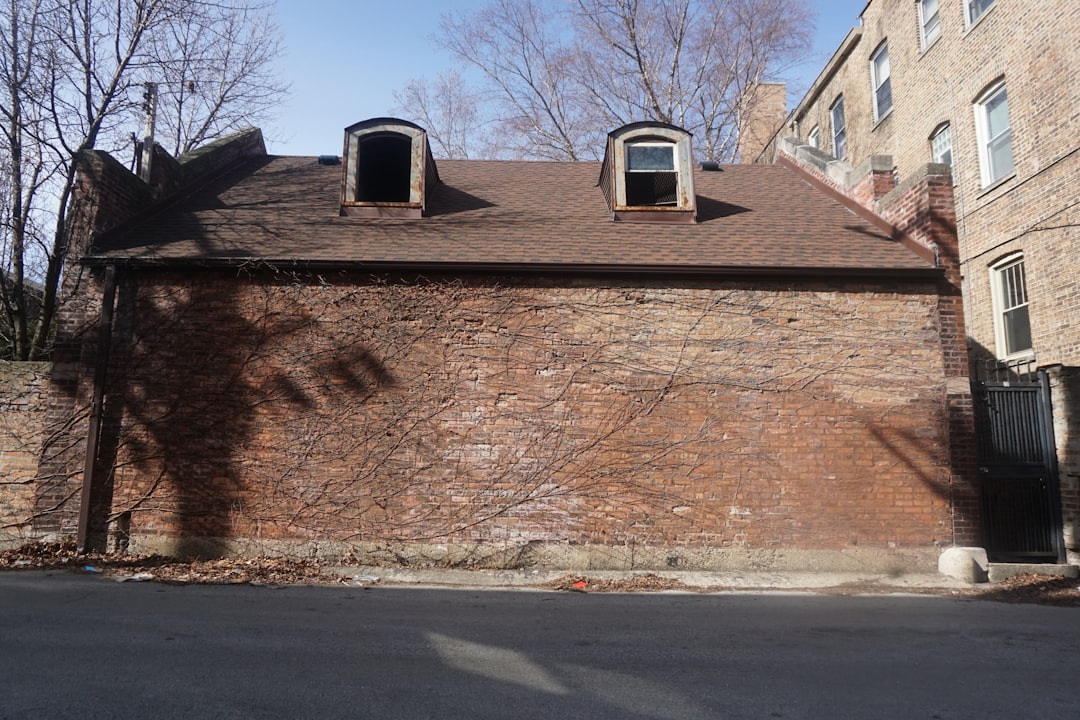
If your dream features a house that is falling apart, crumbling, or in a state of severe disrepair, accompanied by feelings of fear, panic, or sadness, it indicates that the foundations of your life, your sense of self, or your emotional stability are being threatened. This could relate to a failing relationship, job insecurity, a loss of self-esteem, or a mental health crisis. Psychologically, it represents a breakdown in your internal structures or a feeling that your coping mechanisms are no longer effective. The dream is urging you to acknowledge the instability you are experiencing. Spiritually, it might signify a crisis of faith or a feeling that your spiritual foundations are eroding. Practically, this is a wake-up call. It’s crucial to address the issues that are causing this sense of collapse before they lead to further deterioration. Seek support and identify the specific ‘cracks’ in your life that need immediate attention.
5. A Small, Cozy House (Pleasant Emotion)
Dreaming of a small, cozy house, often with a feeling of comfort, security, and contentment, symbolizes a desire for simplicity, intimacy, and a strong sense of belonging. This dream suggests you are valuing inner peace, close relationships, and a sense of home over material wealth or external validation. Psychologically, it indicates a need for emotional security and a focus on nurturing personal connections. It might also represent a desire to simplify your life and declutter from unnecessary complexities. Spiritually, it can point to finding contentment in the present moment and appreciating the quietude of inner reflection. Practically, this dream encourages you to cherish your relationships, find joy in simplicity, and cultivate a sense of contentment within your current circumstances. It’s a reminder that true wealth lies in connection and inner peace.
6. A Grand, Ornate House (Neutral to Pleasant Emotion)
To dream of a large, opulent, or intricately decorated house, whether you feel awestruck, curious, or simply observing, can represent ambition, aspirations, and a desire for recognition or a higher status. It might also symbolize a part of yourself that is highly refined, sophisticated, or possessing hidden potential. Psychologically, this dream could indicate a drive for success, a desire to expand your influence, or an exploration of your grandest aspirations. It may also represent the ‘higher self’ or the idealized version of oneself. Spiritually, it can signify a quest for enlightenment or a desire to achieve a more elevated state of being. Practically, this dream suggests you are considering significant goals or are perhaps feeling the weight of high expectations. It encourages you to explore your ambitions and to consider what ‘grandeur’ truly means to you, both externally and internally.
Spiritual & Numerological Meaning
From a spiritual perspective, the house is a potent symbol of the soul’s journey and its dwelling place. In many traditions, the physical body is seen as a temple or a house for the spirit. Therefore, dreaming of a house can be a direct message from your higher self about the state of your spiritual vessel and your connection to the divine. The number of floors in a house can hold numerological significance. A one-story house might relate to the number 1, symbolizing new beginnings, independence, and the self. A two-story house, connected to the number 2, can represent duality, balance, relationships, and partnerships. A three-story house, linked to the number 3, often signifies creativity, communication, and expansion. Basements and attics can be associated with the root chakra (grounding, survival) and the crown chakra (spiritual connection, enlightenment) respectively. Tarot symbolism also offers rich interpretations: The Fool (0 or 22) embarking on a journey might be represented by an empty house, symbolizing the unknown path ahead. The Hierophant (V) could represent a traditional, established house, symbolizing wisdom and structure. The World (XXI) might appear in a dream of a perfectly ordered, harmonious house, signifying completion and fulfillment. Biblical references to houses often symbolize the home of God, the community of believers, or a place of refuge. For instance, Jesus’ parable of building a house on rock versus sand speaks to the importance of a strong spiritual foundation. The spiritual message is clear: your inner life, your connection to the divine, and the very ‘house’ of your being are in a constant state of flux and require attention and care.
Psychological Interpretation
From a Freudian perspective, the house often represents the dreamer’s body and their personal life, with different rooms symbolizing various aspects of their psyche and their personal history. Hidden rooms or locked doors might represent repressed desires or memories that the unconscious is trying to bring to light. For example, a dark basement could symbolize primal urges or unresolved traumas lurking in the unconscious. Jungian psychology views the house as a powerful archetype of the self. The various rooms can represent different facets of the personality, including the ‘shadow’ – the darker, unacknowledged aspects of ourselves. Exploring a dilapidated house might mean confronting these shadow aspects. The anima (in men) or animus (in women) – the unconscious feminine or masculine aspects of the psyche – might be represented by characters or furnishings within the house. Modern dream science, utilizing neuroimaging, suggests that dream imagery, including houses, is generated by the limbic system (emotions) and the cortex (memory and association). The brain is essentially replaying and processing emotional experiences and past events, using familiar structures like houses as symbolic representations. This often occurs during REM sleep, a period crucial for emotional regulation and memory consolidation. Therefore, dreaming of a house is a complex interplay of repressed desires, archetypal imagery, and the brain’s fundamental need to process and make sense of our lived experiences.
Cultural Variations
The interpretation of a house dream can vary significantly across cultures, reflecting differing societal values and spiritual beliefs. In many Indigenous cultures, the concept of ‘home’ is deeply intertwined with the land and the community. Dreaming of a traditional dwelling, such as a teepee, yurt, or longhouse, would emphasize connection to ancestral roots, tribal identity, and the natural world. In East Asian cultures, particularly in Feng Shui, the arrangement and condition of a house are believed to directly influence life force energy (Qi). Dreaming of a house might therefore be interpreted as a message about the flow of energy in one’s life, with a blocked or chaotic house indicating disharmony and a well-ordered one signifying prosperity and well-being. In some African traditions, ancestral spirits are believed to reside within the family home. A dream house could therefore symbolize the presence and guidance of ancestors, or a need to honor them. In Western cultures, while the house often represents the individual self and immediate family, it can also be associated with material success and social status, particularly when the dream involves large or luxurious homes. The emphasis on individual autonomy and privacy in Western societies also contributes to the house as a symbol of personal space and boundaries. Regardless of the cultural context, the universal theme of shelter, belonging, and the inner self remains a core element of house symbolism.
What To Do After This Dream
After a significant dream about a house, it’s time to turn introspection into action. Start by journaling your experience. Ask yourself:
- What was the predominant emotion in the dream (fear, joy, curiosity, anxiety)?
- What was the condition of the house? Was it new, old, damaged, or under construction?
- What specific rooms did you explore, and what happened in them?
- Who else was in the house, if anyone? What were your interactions like?
- What does this house remind you of in your waking life?
Based on your journal entries, consider these practical steps:
- If you felt fear or saw a damaged house: Identify areas in your life where you feel insecure or unstable. Reach out to friends, family, or a professional for support. Take small, concrete steps to address the issues that are causing this instability.
- If you felt joy or saw a cozy house: Nurture your relationships. Spend quality time with loved ones and focus on creating a sense of home and belonging in your daily life. Appreciate the simple joys.
- If you were building or renovating: Identify a personal goal you want to achieve. Break it down into manageable steps and start taking action. Celebrate small victories along the way.
- If you were exploring an unfamiliar house: Acknowledge that you might feel lost. Seek clarity by exploring new interests, learning new skills, or talking to mentors. Be patient with yourself as you navigate this period.
- If you saw a grand house: Reflect on your ambitions. Are they aligned with your values? If so, create a plan to pursue them. If not, redefine what success and fulfillment mean to you.
Remember, your dreams are a powerful tool for self-understanding. By engaging with their messages, you can gain clarity, foster growth, and build a more fulfilling life.