Dreaming of Mountains: Ascend to Your Highest Potential
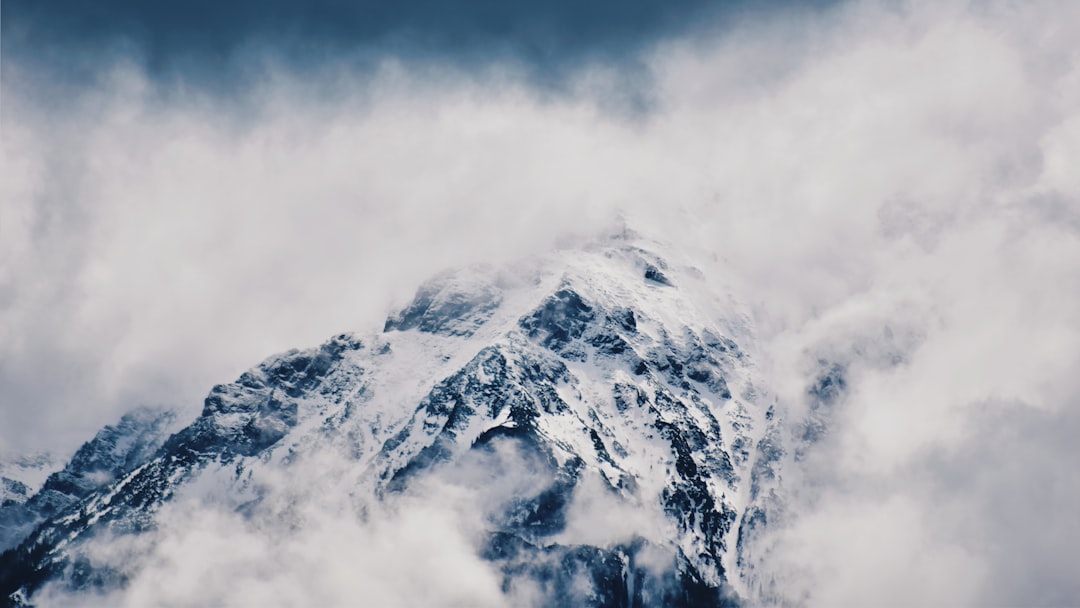
The colossal silhouette of a mountain piercing the sky in your dream is rarely a casual image. It’s a primal symbol, etched into the human psyche from the dawn of time, representing the ultimate challenge, the pinnacle of achievement, and the very essence of aspiration. Mountains have been sacred sites, places of divine encounter, and formidable obstacles throughout history. When a mountain appears in your slumber, it’s your inner self calling out, urging you to pay attention to a significant aspect of your waking life. Are you facing a monumental task? Are you yearning for a breakthrough? Or perhaps you are feeling overwhelmed by the sheer magnitude of your current circumstances? The mountain dream speaks to your drive, your resilience, and your potential for profound personal transformation. It’s an invitation to look upwards, to set your sights high, and to understand the journey ahead, not as a burden, but as an opportunity for ascension.
What Does a Mountain Mean in a Dream?
The word ‘mountain’ itself carries a weight of significance. Etymologically, it derives from the Latin ‘mons’ (genitive ‘montis’), meaning ‘mountain’. This root connects to ancient Indo-European terms that evoke concepts of elevation, prominence, and even a sense of permanence. In dreams, a mountain is a potent and multi-layered symbol, often representing a significant obstacle, a lofty goal, a spiritual quest, or a formidable challenge that you are facing or will face in your waking life. It can symbolize your ambitions, your aspirations, and the effort required to achieve them. The sheer size and imposing nature of a mountain often reflect the perceived difficulty or magnitude of a situation. It can also represent a place of solitude, introspection, and spiritual connection, a place where one can gain perspective and a higher understanding. In some interpretations, the mountain symbolizes the self – the journey to the summit being a journey of self-discovery and personal growth. The mountain can also be seen as a representation of authority, power, or even a domineering force in your life. The context of the dream – whether you are climbing it, observing it, or lost on its slopes – will offer crucial clues to its specific meaning for you.
Common Dream Scenarios
Climbing a Mountain with Determination
If you dream of energetically and purposefully climbing a mountain, this is a profoundly positive omen. It signifies your ambition, your drive, and your unwavering commitment to achieving a significant goal in your waking life. You are actively working towards something important, and your subconscious is acknowledging your effort and resilience. This dream suggests that you possess the strength, determination, and mental fortitude to overcome any obstacles that may arise. From a psychological perspective, this reflects a healthy sense of agency and a proactive approach to life’s challenges. Spiritually, it can indicate a period of intense spiritual growth or a journey towards enlightenment. Practically, it means you are on the right track to achieving your aspirations, and your perseverance will be rewarded. You are likely feeling motivated and empowered in your waking life, ready to tackle any summit that stands before you. The sheer act of climbing signifies progress and forward momentum, even if the path is arduous.
Struggling to Climb a Steep Mountain
Conversely, dreaming of struggling immensely to climb a steep mountain suggests that you are facing significant challenges and feeling overwhelmed by the effort required to achieve your goals. This dream highlights a sense of exhaustion, frustration, or a feeling of being stuck. You may be experiencing self-doubt or questioning your ability to succeed. Psychologically, this dream can point to feelings of inadequacy or a fear of failure. It might be that the goal you have set is indeed very demanding, or that external factors are making the climb particularly difficult. Spiritually, this could represent a period of spiritual testing or a struggle with inner demons. Practically, it’s a signal to reassess your approach, seek support, or consider if the goal is truly attainable with your current resources. Perhaps a break is needed, or a different path might be more viable. The dream is an important indicator that you need to acknowledge your struggles and find ways to cope with the immense pressure.
Reaching the Summit of a Mountain
Achieving the summit of a mountain in your dream is a powerful symbol of accomplishment, triumph, and the realization of your highest aspirations. It signifies that you have overcome significant obstacles and have reached a state of clarity, success, or spiritual fulfillment. This dream is a profound affirmation of your capabilities and your ability to achieve what you set your mind to. Psychologically, it represents a breakthrough, a sense of mastery, and the integration of your conscious and unconscious desires. Spiritually, it can symbolize enlightenment, a profound spiritual awakening, or a deep connection with the divine. Practically, this dream suggests that a period of great success and recognition is on the horizon. You can expect to feel a sense of peace, satisfaction, and a broad perspective on your life. The view from the top is often clear, symbolizing a newfound understanding and perspective.
Observing a Mountain from Afar
Dreaming of observing a mountain from a distance indicates that you are aware of a significant goal or challenge in your life but are not yet actively engaged in pursuing it. You may feel a sense of longing, aspiration, or even intimidation regarding this goal. The mountain represents something you desire or need to confront, but you might be hesitant to take the first step. Psychologically, this dream can highlight a disconnect between your desires and your actions, or a fear of the unknown associated with pursuing a particular path. Spiritually, it might suggest that you are contemplating a significant spiritual journey but are not yet ready to embark on it. Practically, this is a prompt to consider what is holding you back from actively pursuing your aspirations. It’s an invitation to acknowledge the mountain and to start planning your ascent, even if it’s just a small step.
Getting Lost on a Mountain
If you dream of being lost on a mountain, it signifies feelings of confusion, disorientation, and a loss of direction in your waking life. You may feel overwhelmed by the complexity of a situation, unsure of which path to take, or struggling to find your way through a difficult period. This dream can highlight anxieties about your current life journey and a fear of making the wrong decisions. Psychologically, it points to a feeling of being disconnected from your inner compass or a struggle with decision-making. Spiritually, it might indicate a period of spiritual uncertainty or a feeling of being adrift. Practically, this dream is a strong signal to pause, re-evaluate your current situation, and seek clarity. It may be beneficial to connect with trusted friends, mentors, or seek professional guidance to help you find your bearings again. The fog or mist often associated with being lost can symbolize obscured clarity.
A Mountain Destroyed or Collapsing
Dreaming of a mountain being destroyed or collapsing is a dramatic and often unsettling image. It can symbolize the shattering of an illusion, the downfall of a powerful entity or belief system, or the collapse of a significant obstacle that you once perceived as insurmountable. This dream may also indicate a feeling of powerlessness or a fear of losing control. Psychologically, it could represent the dismantling of deeply ingrained beliefs or the confronting of a formidable internal ‘mountain’ that has been holding you back. Spiritually, it might signify a radical transformation or the breakdown of old spiritual structures. Practically, this dream can be interpreted in a few ways: if the collapse is perceived as negative, it might signal unexpected disruptions. However, if it’s perceived as liberating, it means a major obstacle is being removed from your path, paving the way for new opportunities, albeit potentially chaotic ones.
Spiritual & Numerological Meaning
From a spiritual perspective, mountains are sacred spaces, often associated with divine presence and spiritual ascension. In many traditions, they are seen as the ‘axis mundi,’ the center of the world, connecting the earthly realm with the heavens. The act of climbing a mountain is a metaphor for the spiritual journey – a path of purification, discipline, and self-discovery, leading to higher consciousness. Think of Moses receiving the Ten Commandments on Mount Sinai, or the Buddha achieving enlightenment under the Bodhi tree (often depicted as a symbolic mountain peak). The number associated with mountains is often the number 7, representing spirituality, introspection, and completion. A mountain’s height can also relate to its numerological significance; a taller mountain might represent a more profound or challenging spiritual quest. In Tarot, the High Priestess (often associated with intuition and hidden knowledge) or the Hermit (representing introspection and seeking wisdom) can be linked to the mountain’s symbolism. The chakra connection is primarily to the Crown Chakra (Sahasrara), representing spiritual connection, enlightenment, and a higher perspective. Ascending the mountain is analogous to opening and activating this chakra. The journey to the summit is a path towards realizing your divine potential and understanding your place in the cosmos. The stillness at the peak can represent a state of meditative bliss and profound inner peace, a direct connection to the universal consciousness.
Psychological Interpretation
From a Freudian perspective, the mountain can represent a powerful, perhaps even intimidating, paternal figure or authority in your life. The desire to climb it could symbolize a desire to prove yourself to this figure, or to overcome the limitations imposed by their influence. Alternatively, it could represent a deeply buried, ambitious desire that you are either striving towards or unconsciously resisting. Carl Jung would see the mountain as a potent archetype of the Self, the ultimate goal of individuation. The journey to the summit is the process of integrating the conscious and unconscious aspects of your personality, including confronting your shadow self – the darker, unacknowledged parts of your psyche. Reaching the summit signifies wholeness and self-realization. The anima (feminine archetype in men) or animus (masculine archetype in women) might be represented by someone you meet on the mountain, or by the qualities you embody as you ascend. Modern dream science views mountain dreams as reflections of how we perceive and navigate challenges in our waking lives. The brain processes these images as metaphors for problem-solving, goal-setting, and emotional regulation. If the dream is recurrent or particularly vivid, it might indicate significant unresolved issues or a strong internal drive that needs attention. The physiological responses during the dream (e.g., feeling breathless) can mirror real-life stress or exertion related to your waking challenges.
Cultural Variations
Across cultures, mountains hold a universal significance, though interpretations can vary. In many Indigenous cultures, mountains are considered sacred ancestral lands and places of spiritual power, often inhabited by spirits or deities. Climbing them is a rite of passage or a pilgrimage. In Japanese culture, Mount Fuji is a national symbol of beauty and spiritual significance, and dreams of it often evoke feelings of awe and national pride. In Tibetan Buddhism, mountains are seen as abodes of enlightened beings and are central to meditation practices, symbolizing the path to nirvana. In Western mythology, Mount Olympus was the home of the gods, making mountains potent symbols of divine power and inaccessible realms. In contrast, some cultures might view mountains primarily as formidable barriers to travel and trade, evoking feelings of danger and isolation in dreams. The interpretation of a mountain dream can therefore be subtly influenced by one’s cultural upbringing and the symbolic weight that mountains carry within that context. For instance, a dream of a snow-capped mountain might evoke different emotions in someone from a tropical climate versus someone from a mountainous region.
What To Do After This Dream
Journaling Prompts:
- What emotions did you feel in the dream (e.g., fear, determination, awe, frustration, peace)?
- Describe the mountain in detail: its size, shape, color, the weather, the terrain.
- What were you doing on the mountain? Were you alone or with others?
- What is the most significant challenge or goal you are currently facing in your waking life?
- Does the mountain in your dream represent something you are trying to achieve, or something you are trying to overcome?
- If you reached the summit, what was the view like? What did you see or understand?
- If you were lost, what did the disorientation feel like? What were you looking for?
Action Steps:
- If climbing with determination: Continue with your current efforts. You are on the right path. Celebrate small victories along the way.
- If struggling to climb: Re-evaluate your strategy. Break down the large goal into smaller, more manageable steps. Seek support from friends, family, or professionals. Consider taking a rest if you are feeling burnt out.
- If you reached the summit: Acknowledge your accomplishments. Take time to enjoy your success and reflect on the journey. Share your achievements with loved ones.
- If observing from afar: Take the first step towards your goal. Even a small action can set you in motion. Research and plan your approach.
- If lost: Take a pause. Practice mindfulness or meditation to regain inner clarity. Seek guidance from trusted sources. Focus on finding your inner compass.
- If the mountain collapsed: Be prepared for unexpected changes. Embrace the opportunities that arise from the breakdown of old structures. Trust that this collapse might be a necessary step for progress.
- General: Consider dedicating time for introspection and self-reflection, much like the solitude a mountain offers. This could involve journaling, meditation, or spending time in nature to gain perspective.