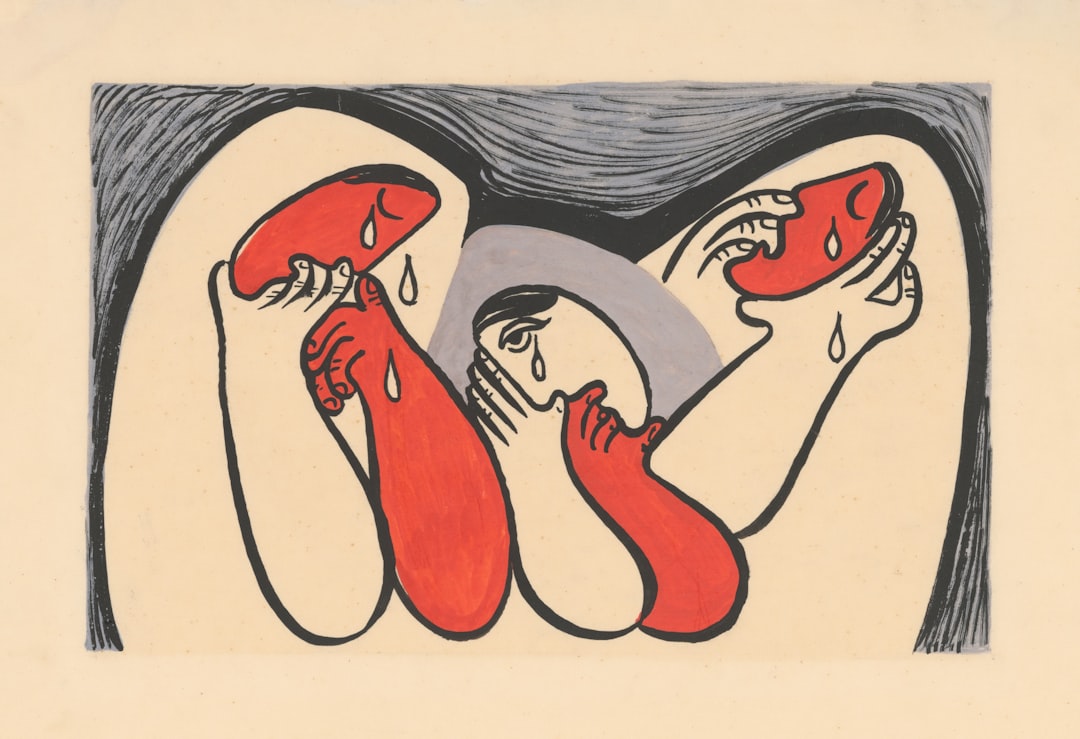
Dreaming of Tears: Unveiling the Emotional Reservoir
Did you wake with a damp pillow, a lingering sadness, or a surprising sense of relief after a dream filled with tears? Tears, in the waking world, are a universal language of emotion – a potent distillation of joy, sorrow, frustration, and even overwhelming beauty. In the realm of dreams, they carry even greater significance, acting as a potent symbol that can unlock hidden aspects of your psyche, signal a need for emotional catharsis, or reflect the turbulent currents of your waking life. These ethereal droplets are not merely a passive expression; they are active messengers, urging you to confront, process, and ultimately integrate the vast spectrum of your inner emotional landscape. To dismiss a dream of tears is to ignore a vital communication from your deepest self, a whispered plea or a triumphant shout from the unconscious. Understanding their symbolism is like finding a key to a treasure chest of self-awareness, revealing the unexpressed, the unacknowledged, and the unhealed parts of your being. Let us embark on a journey to decipher these potent, watery visions.
What Do Tears Mean in a Dream?
The word “tear” itself, in its etymological journey, hints at its profound nature. Derived from the Old English “tægr,” and ultimately from Proto-Germanic roots, it speaks of something being “pulled” or “torn.” This inherent sense of disruption, of being rent asunder, perfectly encapsulates the emotional power of tears. They are often the physical manifestation of an internal breaking, a release of pent-up pressure that has been building within. In dreams, tears are rarely superficial; they tap into the core of our emotional experience. They can signify catharsis, a necessary purging of grief, anger, or even overwhelming happiness that our conscious mind struggles to contain. Psychologically, tears are linked to the limbic system, the brain’s emotional processing center, suggesting their deep connection to our fundamental feelings. Spiritually, they are often seen as a bridge between the earthly and the divine, a purification ritual that cleanses the soul and opens channels for spiritual insight. In many cultures, tears are a sign of vulnerability, a testament to our shared humanity and our capacity for deep feeling. Whether they are born of sorrow or joy, tears in a dream are a powerful reminder of our emotional depth and the vital importance of acknowledging and processing our feelings. They are the body’s natural way of expressing what the heart cannot hold, and in dreams, they bring these unspoken emotions to the forefront of our awareness.
Common Dream Scenarios
Crying uncontrollably and unable to stop
This is a powerful dream that speaks of overwhelming emotions. From a Western psychological perspective, it suggests a significant build-up of stress, anxiety, or repressed feelings that are now demanding release. Freud might interpret this as the id’s overwhelming desires finally breaking through the ego’s defenses, a primal scream from the unconscious. Jung might see it as the shadow aspect of your personality, the parts you’ve denied or suppressed, demanding to be integrated. Modern dream science suggests that such intense emotional expression in dreams often correlates with high levels of emotional distress or significant life changes in the waking world. Spiritually, this dream could indicate a blockage in your emotional chakras, particularly the heart chakra, which needs to be opened for healing and balance. Numerologically, the number 7, often associated with introspection and spiritual seeking, might be relevant if this dream occurs during a significant life cycle. The sheer inability to stop crying in the dream signifies a feeling of being overwhelmed and out of control in your waking life. It might be that you are facing a situation that feels insurmountable, or that a long-held emotional burden has become too heavy to bear. This dream is a clear call to seek support, whether through talking to a trusted friend, a therapist, or engaging in practices that promote emotional release, such as journaling or meditation.
Someone else crying in your dream
Witnessing another person’s tears in a dream can evoke a range of feelings, from empathy to concern, and even discomfort. Psychologically, this often signifies your own unacknowledged emotions or a projection of your internal state onto another. If you feel a strong connection to the person crying, it may indicate that you are aware of their struggles or that you are empathizing with a part of yourself that you see reflected in them. Freud might suggest that the crying person represents an aspect of your own repressed emotions or desires that you are not ready to confront directly. Jung might interpret them as an anima or animus figure, carrying emotional qualities that are either missing from or underdeveloped in your own personality. The act of witnessing their tears could be a call to acknowledge and integrate these aspects. Spiritually, this dream could be a reminder of your interconnectedness with others and a call to offer compassion and support, not just to them, but also to yourself. From a practical standpoint, it might be a sign that you need to address an issue within a relationship or that you are picking up on the emotional distress of someone close to you. Consider the nature of your relationship with the crying person and the context of their tears.
Tears of joy in a dream
Tears of joy in a dream are a beautiful and often exhilarating experience. Psychologically, they signify a breakthrough, a moment of profound happiness, or the successful integration of a long-sought goal. Freud might see this as the ego experiencing immense satisfaction, a fulfillment of a deeply desired wish. Jung could interpret it as the successful integration of the anima/animus, leading to a sense of wholeness and profound joy. Modern dream science often links these dreams to periods of significant personal growth and positive emotional release. Spiritually, tears of joy can be seen as a direct connection to divine bliss, a moment where the soul is so overwhelmed with gratitude and love that it manifests physically, even in the dream state. Numerologically, the number 3, representing creativity and joyful expression, might be significant. This dream is a powerful affirmation of your inner state. It suggests that you are on the right path, experiencing genuine happiness, and that your efforts are leading to profound fulfillment. It’s a signal to savor these moments and acknowledge the positive forces at play in your life. This is a dream of abundance and spiritual blessing.
Tears of sadness or grief in a dream
Dreams of sadness and grief, while painful, are often the psyche’s way of processing loss, disappointment, or emotional pain. Psychologically, these dreams can be a form of emotional processing, allowing you to work through difficult feelings in a safe, albeit intense, environment. Freud might view these tears as the surfacing of repressed grief or a manifestation of unresolved childhood traumas. Jung could see them as a necessary engagement with the shadow self, confronting the darker aspects of your emotional experience to achieve balance. Spiritually, these tears are often seen as a form of purification, washing away old hurts and making space for healing. In some traditions, they are associated with the water element, symbolizing cleansing and emotional flow. Biblically, weeping is often a precursor to spiritual revelation or a sign of deep repentance. Practically, this dream is a strong indicator that you are experiencing, or have recently experienced, significant emotional pain in your waking life. It is a call to acknowledge this pain, allow yourself to grieve, and seek healthy coping mechanisms. Do not suppress these feelings; rather, find ways to express them constructively.
Wiping away tears in a dream
The act of wiping away tears in a dream can signify a transition from sadness to acceptance, or an effort to suppress lingering emotions. Psychologically, this suggests that you are actively trying to cope with or move past difficult feelings. Freud might interpret this as the ego’s attempt to regain control and manage overwhelming emotions. Jung could see it as the conscious mind’s effort to integrate the shadow or to regain equilibrium after a period of emotional turmoil. Spiritually, it can represent a conscious effort towards self-healing and finding inner peace. It might also suggest a desire to present a composed exterior to the world, even when you are hurting internally. Numerologically, the number 2, representing duality and balance, might be relevant, as you are attempting to balance your emotions. From a practical perspective, this dream indicates that you are in a process of healing or moving on from a challenging situation. It’s a sign of your inner strength and resilience. However, be mindful if the act of wiping away tears feels like a denial of your emotions; true healing often requires full acknowledgment.
Tears of frustration or anger
Tears of frustration or anger in a dream are a potent indicator of unresolved conflict or a feeling of powerlessness. Psychologically, these dreams suggest that you are struggling with situations in your waking life where you feel blocked, unheard, or unfairly treated. Freud might interpret this as the id’s aggressive impulses seeking an outlet, or the ego’s frustration with external limitations. Jung could see it as the shadow expressing its rage, a necessary confrontation with your aggressive tendencies. Spiritually, these tears can signify a blockage in the solar plexus chakra, which governs personal power and will. It’s a call to reclaim your agency. Biblically, anger can be a righteous response to injustice, but unexpressed anger can be destructive. Practically, this dream is a red flag that you need to address sources of frustration and anger in your life. Consider what situations are making you feel this way and explore healthy ways to assert yourself or to find resolution.
Spiritual & Numerological Meaning
From a spiritual perspective, tears are often viewed as a sacred cleanser, a conduit for releasing energetic blockages and emotional residue. In many Eastern traditions, tears are associated with the element of water, which symbolizes purification, intuition, and emotional flow. When tears appear in a dream, it can signify a powerful clearing of stagnant emotional energy, making way for spiritual growth and clarity. The heart chakra (Anahata) is deeply connected to our capacity for love, compassion, and emotional expression. Tears, whether of joy or sorrow, can indicate a significant activation or blockage within this chakra. A flood of tears might suggest a need to open the heart, while tears of joy could signify its flourishing. Numerologically, the number 7, often associated with introspection, spirituality, and inner wisdom, can be relevant when dreaming of tears, especially if the dream evokes a deep sense of contemplation or a search for meaning. The number 3, representing expression and emotional release, can also be significant, particularly with tears of joy or cathartic release. Some traditions also see tears as a physical manifestation of divine empathy, a sign that the universe is weeping with us or for us, offering solace and understanding. In ancient mythologies, tears of gods or goddesses often marked significant events, signifying profound emotional states that shaped the world. For example, the tears of Isis were said to bring the Nile flood, symbolizing fertility and renewal born from profound sorrow. The biblical narrative of Jesus weeping at the tomb of Lazarus signifies empathy and the promise of resurrection, linking tears to hope and transformation. Dreaming of tears can therefore be a potent spiritual message, urging you to embrace your emotional depth, seek inner cleansing, and connect with the universal flow of love and compassion.
Psychological Interpretation
From a Western psychological viewpoint, tears in dreams are a rich tapestry woven from the threads of the unconscious. Sigmund Freud, the father of psychoanalysis, would likely interpret tears as a manifestation of repressed emotions, desires, or traumas that are attempting to surface from the unconscious mind. He might see intense crying as the id’s primal urges breaking through the ego’s defenses, a release of pent-up energy that has been suppressed. For Freud, the specific context of the tears – what is causing them – would be crucial in deciphering the underlying conflict. Carl Jung, on the other hand, would explore the archetypal significance of tears. He might view them as a symbol of the shadow self, the unacknowledged and often negative aspects of our personality, demanding integration. Tears could also represent the anima (in men) or animus (in women) – the feminine or masculine aspects of the psyche – expressing their emotional needs or asserting their presence. The act of crying, or witnessing crying, could be a call to acknowledge and integrate these vital psychic components for wholeness. Modern dream science, utilizing neuroscience, suggests that dreaming, particularly REM sleep where vivid dreams occur, plays a crucial role in emotional regulation and memory consolidation. Intense emotional dreams, including those with tears, might be the brain’s way of processing difficult experiences, desensitizing us to trauma, or rehearsing responses to emotional challenges. The limbic system, responsible for emotions, is highly active during REM sleep, making dreams a fertile ground for emotional expression. Therefore, tears in dreams can be seen as a healthy, albeit sometimes uncomfortable, mechanism for emotional processing and psychological integration, signaling areas of your life that require attention and healing.
Cultural Variations
The interpretation of tears in dreams can vary significantly across different cultures, reflecting diverse societal values and spiritual beliefs. In many East Asian cultures, such as Japan and China, overt displays of emotion, including crying, have traditionally been discouraged in public. Therefore, tears in dreams might be interpreted as a sign of suppressed feelings that need careful, gradual release, or as an indicator of a need for balance between inner emotional life and outward composure. The dream might be a subtle reminder to find a healthy outlet for these emotions rather than allowing them to fester. In some Indigenous American cultures, tears are deeply revered as a sacred expression of empathy and connection to the spiritual realm. Dreaming of tears might be seen as a sign of profound spiritual sensitivity, a message from ancestors, or a call to offer healing and comfort to the community. The tears are not necessarily negative but represent a deep emotional and spiritual resonance. In Western cultures, particularly in more recent times, there has been a greater emphasis on emotional openness and vulnerability. Tears in dreams might be more readily interpreted as a sign of emotional processing, stress release, or a need for self-care. However, the lingering societal perception of tears as weakness can still influence interpretation, leading some to view them as a sign of personal failure to cope. In some African traditions, tears can be seen as a potent cleansing ritual, a way for the spirit to wash away negative influences or to signify a profound spiritual transition. The dream might be an omen of significant change, requiring introspection and a willingness to embrace new beginnings. Ultimately, while the core symbolism of tears as emotional expression remains universal, the cultural lens through which these dreams are viewed can offer nuanced and culturally specific insights into their meaning.
What To Do After This Dream
When you awaken from a dream filled with tears, it’s an invitation to engage more deeply with your inner world. Here are some steps and journaling prompts to help you unpack its meaning:
1. Immediate Reflection:
- What was the dominant emotion associated with the tears in your dream (sadness, joy, anger, frustration, relief)?
- Who was crying? Were you crying, or was someone else?
- What was the context of the tears? Where were you, and what was happening?
- How did you feel upon waking? (e.g., heavy, relieved, confused, sad, peaceful)
2. Journaling Prompts:
- For Tears of Sadness/Grief: “What recent losses or disappointments have I been experiencing, even small ones? Is there an old wound that this dream is bringing to the surface? What does my body need to feel nurtured and supported right now?”
- For Tears of Joy: “What moments of profound happiness or fulfillment have I experienced lately? What am I truly grateful for? How can I savor these positive feelings and integrate them more fully into my daily life?”
- For Tears of Frustration/Anger: “Where in my waking life do I feel blocked, unheard, or powerless? What situations are causing me significant frustration? How can I assert my needs or find healthier ways to express my anger?”
- For Witnessing Others Cry: “Whose emotional needs might I be neglecting, either in others or in myself? Am I projecting my own unacknowledged feelings onto this person? How can I offer more compassion, both to them and to myself?”
- For Wiping Away Tears: “Am I trying to suppress my emotions to appear strong? What emotions am I avoiding? What does it mean to truly heal and move forward, rather than just cover up the pain?”
3. Action Steps:
- Emotional Release: If the dream was about sadness or frustration, consider engaging in activities that facilitate emotional release – talk to a trusted friend, write a letter you don’t intend to send, engage in physical activity, or try a cathartic art form.
- Self-Compassion: Regardless of the type of tears, practice self-compassion. Acknowledge your feelings without judgment. Treat yourself with the same kindness you would offer a dear friend.
- Seek Support: If the dream left you feeling overwhelmed or disturbed, don’t hesitate to reach out to a therapist, counselor, or a spiritual advisor. They can provide guidance and support in processing complex emotions.
- Mindfulness and Grounding: If the dream was intense, engage in grounding exercises to bring yourself back to the present moment. Deep breathing, meditation, or spending time in nature can be very helpful.
- Gratitude Practice: If the tears were of joy, take time to consciously cultivate gratitude. This can amplify positive emotions and attract more good into your life.
Remember, dreams are a dialogue with yourself. By exploring the symbolism of tears, you are opening a door to deeper self-understanding and emotional well-being.