Dreaming of War: Unveiling Inner Turmoil and the Battle for Your Soul
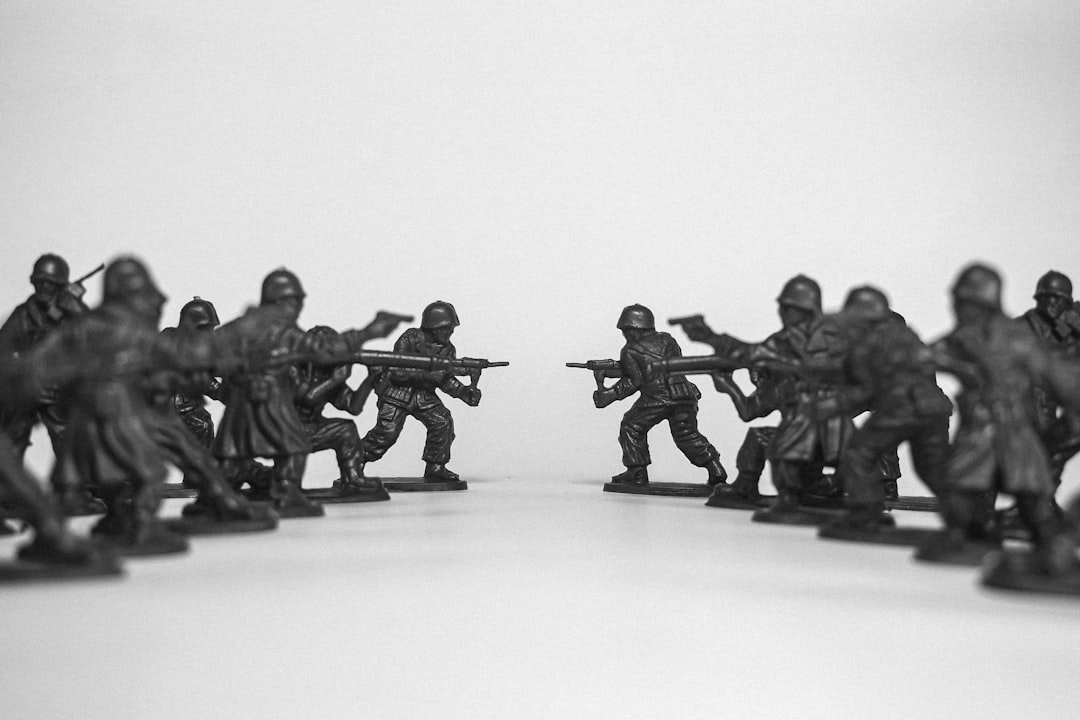
The roar of cannons, the dust of conflict, the desperate struggle for survival – a dream of war is rarely a gentle whisper from the subconscious. It’s a thunderous declaration, a primal scream from the depths of your psyche, demanding attention. Such dreams, while often terrifying, are not mere figments of a restless mind. They are potent metaphors, encoded messages from your inner world, reflecting anxieties, unresolved conflicts, and the very essence of your personal struggles. Understanding the symbolism of war in your dreams is like deciphering an ancient map, guiding you through the uncharted territories of your own being. This is not just about a battlefield; it’s about the battles you are currently facing, the internal wars you are waging, and the profound transformations that await you as you navigate these intense landscapes. Let us embark on this journey of interpretation, where psychology, spirituality, and practical wisdom converge to illuminate the meaning behind your wartime dreams.
What Does “War” Mean in a Dream?
The etymology of the word “war” itself speaks volumes. Originating from the Proto-Germanic *
wers-* meaning “to confuse” or “to mix up,” and later evolving through Old English as “wyrre,” signifying “conflict, battle, strife,” the core essence of war is disruption, chaos, and a fundamental clash. In dreams, this translates to a representation of internal or external conflict. It’s the psyche’s way of processing aggression, fear, anxiety, and the struggle to maintain order in a chaotic world or within oneself. War in dreams can manifest as literal combat, a looming threat, or even the aftermath of destruction, each carrying a distinct nuance. It can symbolize a fight against ingrained beliefs, societal pressures, personal limitations, or even a spiritual battle for your soul’s integrity. The dream might be projecting a feeling of being overwhelmed, a sense of injustice, or the need to defend something you hold dear. It’s a call to confront what is causing disharmony and to find the strength to overcome it, not necessarily through violence, but through assertion, resolution, and inner fortitude. The dream of war is a powerful invitation to examine the fault lines in your life and to discover the resilience that lies within you.
Common Dream Scenarios
1. Fighting in a Battlefield
Being actively engaged in combat on a battlefield in your dream is a potent symbol of direct confrontation. Psychologically, this often points to a period of intense struggle in your waking life. You might be facing a significant challenge at work, a difficult relationship issue, or an internal battle with conflicting desires or beliefs. The fear and adrenaline you experience in the dream mirror the stress and pressure you are under. Spiritually, this scenario can represent a battle for your spiritual integrity or a significant test of your faith. You are being called to stand firm in your convictions and to fight for what you believe in, even when the odds seem stacked against you. The outcome of the battle in your dream – victory, defeat, or escape – will offer further clues about your perceived ability to handle the situation and your hopes for resolution.
2. Witnessing a War from Afar
If you are observing a war unfold from a distance, without being directly involved, it suggests a feeling of powerlessness or detachment from a conflict that is affecting you or your surroundings. This could mean you are aware of a significant dispute or stressful situation in your family, workplace, or community, but feel unable to intervene or influence the outcome. Psychologically, it might indicate a tendency to intellectualize or distance yourself from emotional turmoil. Spiritually, it could be a sign that you are being called to observe a situation with greater objectivity, without getting swept up in the emotional fray. It’s an opportunity to gain perspective and to understand the dynamics at play before deciding on your course of action, or realizing that action is not required of you at this moment.
3. Preparing for War
Dreaming of preparing for war, such as gathering supplies, strategizing, or training, signifies that you are anticipating a future conflict or a significant challenge. This dream suggests you are either aware of an impending difficult situation or that your subconscious is urging you to prepare for one. Psychologically, it can represent a period of heightened awareness and strategic thinking. You are assessing your resources, both internal and external, and planning your approach. Spiritually, it can be a call to strengthen your spiritual defenses, to align yourself with higher principles, and to cultivate inner resilience before facing trials. This dream is a positive sign of foresight and a proactive approach to life’s inevitable storms.
4. Escaping a War
If your dream involves desperately trying to escape a war zone, it points to a desire to avoid conflict or to flee from overwhelming circumstances in your waking life. You might be feeling trapped by a situation and are seeking a way out. Psychologically, this dream can indicate feelings of anxiety, fear, and a desire for peace and safety. You may be avoiding a confrontation or a difficult truth. Spiritually, it could signify a yearning for spiritual liberation or a desire to escape the perceived negativity of the material world. However, true resolution often comes not from escape, but from facing the challenges head-on, so this dream might be prompting you to consider what you are running from and whether it’s time to turn and face it.
5. The Aftermath of War
Dreaming of the aftermath of war – destroyed cities, ruins, or dealing with the consequences of conflict – often signifies the end of a struggle or a period of significant change. This can be a cathartic dream, suggesting that a difficult phase in your life is coming to a close. Psychologically, it may represent the processing of past trauma or the rebuilding of your life after a period of turmoil. Spiritually, it can symbolize renewal and rebirth, the emergence of new growth from the ashes of destruction. While it can be a somber experience, it often carries a message of hope and resilience, reminding you that even after the most devastating conflicts, life finds a way to continue and flourish.
6. A Dream of Peace After War
Conversely, dreaming of peace and reconciliation following a period of war is an incredibly positive and hopeful sign. This dream signifies resolution, healing, and a return to harmony. Psychologically, it suggests that you have successfully navigated a difficult period or are on the path to resolving internal conflicts. You are finding balance and a sense of calm. Spiritually, it represents a state of grace, a deep connection to your inner peace, and a harmonious relationship with the world around you. This dream is a powerful affirmation of your inner strength and your capacity for healing and growth. It’s a reminder that even after the fiercest storms, tranquility and beauty can emerge.
Spiritual & Numerological Meaning
In spiritual traditions, war dreams are deeply resonant. The concept of cosmic battles, such as the war between the gods and the titans, or the ongoing spiritual struggle between good and evil, finds its echo in our personal dreamscapes. The Tarot’s Tower card, representing sudden upheaval and destruction, can be evoked by war dreams, suggesting a forceful dismantling of old structures to make way for the new. Conversely, the Eight of Swords can represent feeling trapped by conflict, while the Page of Swords might symbolize the initial sparks of conflict or the mental preparedness for it. Numerologically, the number 1 (representing new beginnings and singular focus) can be amplified in war dreams, highlighting the intense, singular nature of the conflict. The number 4 (stability, foundation, but also rigidity and confinement) can also be relevant, suggesting that the conflict arises from a rigid structure or the struggle to maintain it. The Root Chakra (Muladhara), associated with our basic survival instincts, security, and our connection to the Earth, is often activated during war dreams, reflecting primal fears and the fight for existence. In many indigenous cultures, dreams of conflict are seen as omens or messages from ancestral spirits, guiding the dreamer to prepare for challenges or to uphold communal harmony. Biblical narratives often depict wars as divine judgments or the consequence of human sin, urging a return to righteousness and faith. Therefore, a dream of war is not just a psychological event but a spiritual summons, urging you to align with your highest self and to engage in the battles that will lead to your soul’s evolution and ultimate peace.
Psychological Interpretation
From a Freudian perspective, war dreams can be a manifestation of repressed aggression, violent impulses, or unresolved childhood conflicts. The battlefield might represent a struggle between the id (primal desires) and the superego (moral conscience), with the ego attempting to mediate. The intensity of the dream reflects the strength of these repressed forces pushing towards consciousness. Carl Jung would see war dreams through the lens of archetypes and the collective unconscious. The war itself could be an expression of the Shadow archetype – the dark, unacknowledged aspects of ourselves that we project onto external conflicts. Alternatively, it might represent the clash between the Anima (feminine aspect in men) and Animus (masculine aspect in women), a disruption in the balance of the psyche. The dream could also be a manifestation of the Warrior archetype, signaling a need to assert oneself or to fight for one’s individuality. Modern dream science often views war dreams as a product of the amygdala, the brain’s fear center, being highly activated during REM sleep, processing real-life stressors and anxieties. Neuroimaging studies show increased activity in areas associated with threat detection and emotional regulation. These dreams are therefore a vital mechanism for the brain to consolidate memories, process emotions, and rehearse responses to perceived dangers, helping us to navigate complex and challenging situations in our waking lives.
Cultural Variations
The interpretation of war dreams can vary significantly across cultures, reflecting differing societal values and historical experiences. In Western cultures, particularly those with a history of significant warfare, dreams of battle might be more directly linked to anxieties about personal safety, societal instability, or political unrest. There’s often a focus on the individual’s struggle and survival. In Eastern cultures, such as those influenced by Buddhist or Taoist philosophies, the emphasis might be more on the illusory nature of conflict and the pursuit of inner peace. A war dream might be interpreted as a call to dissolve attachments and to find equanimity amidst external chaos. For indigenous cultures, dreams of war can be deeply prophetic, serving as warnings from spirits or as directives for communal action. They may be seen as essential for maintaining balance within the tribe and with the natural world. In cultures with a strong tradition of epic poetry and mythology, like ancient Greece, dreams of war could be viewed as echoes of heroic sagas, encouraging the dreamer to embody courage and honor. The specific symbols within the war dream – the weapons, the uniforms, the terrain – will also be interpreted through the lens of their cultural context, holding specific meanings and associations that might not be apparent in a universal interpretation.
What To Do After This Dream
Dreams of war are powerful calls to action, not necessarily to engage in physical conflict, but to confront the battles within yourself and your life. Here are some steps to help you process and integrate the wisdom of your dream:
- Journaling Prompts:
- Describe the emotions you felt most strongly during the dream. Were you fearful, angry, determined, or resigned?
- Who were you fighting with or against? Were they familiar people, abstract forces, or yourself?
- What was the objective of the war in your dream? What were you fighting for or against?
- What was the outcome of the dream? Did you win, lose, escape, or find peace?
- What situations in your waking life currently feel like a “war zone”? Identify the specific conflicts.
- What resources (internal or external) do you have at your disposal to face these challenges?
- If the dream depicted the aftermath, what does this suggest about a past struggle you have overcome or are in the process of healing from?
- Action Steps:
- Identify the “Enemy”: Is the conflict internal (e.g., self-doubt, addiction, conflicting desires) or external (e.g., a difficult relationship, a challenging work environment, societal pressure)? Naming it is the first step to addressing it.
- Assess Your “Arsenal”: What are your strengths, skills, and support systems? Recognize your inner resources and reach out for help if needed.
- Strategic Planning: Based on your journaling, what is a small, manageable step you can take towards resolving the conflict? It doesn’t have to be a grand battle; it can be a conversation, a decision, or a change in perspective.
- Seek Peace: If the dream was overwhelming, focus on practices that bring you peace in your waking life – meditation, spending time in nature, creative expression, or deep breathing exercises.
- Spiritual Grounding: Reconnect with your spiritual practice, whatever that may be. Pray, meditate, or affirm your connection to your higher self and your inner strength.
- Consult a Professional: If these dreams are recurrent and causing significant distress, consider speaking with a therapist or dream analyst who can provide deeper insights and support.
Your dream of war is not a prophecy of doom, but a powerful invitation to engage with the challenges in your life with courage, awareness, and a deep understanding of your own inner fortitude. Embrace the message, and you will find the strength to wage your battles wisely and emerge victorious, or at least at peace.